

Many coin owners walk away from an appraisal and sale with far less than their collection is worth, not because the coins aren’t valuable, but because they went in uninformed.
A coin appraisal determines what your coins are actually worth, whether you’re selling, insuring, settling an estate, or simply satisfying your curiosity.
This guide covers every type of appraisal, what the process involves, how to find a trustworthy appraiser, and how to make sure you get the best possible outcome for your collection.
If a fast, fully transparent, no-obligation, no-cost coin appraisal from the comfort of your home appeals to you, contact Coinfully today. Our free online coin appraisal process was built with your convenience in mind.
Table of Contents
What Is a Coin Appraisal?
A coin appraisal is a professional evaluation of a coin’s monetary value, conducted by someone with the expertise to assess condition, rarity, authenticity, and current market demand. The result is an informed opinion of what that coin is worth at a specific point in time.
There are a few important value distinctions worth knowing upfront.
- Market value is what a buyer would pay for a coin in today’s market. This is the most useful number for sellers.
- Intrinsic (or melt) value refers to the raw value of the coin’s metal content, which is relevant for bullion but rarely the whole story for collectible coins.
- Retail value is what a dealer would charge a customer.
- Wholesale value is the lowest price a dealer would pay to acquire that coin. Sellers typically receive something close to wholesale value.
Situations where a formal coin appraisal makes sense include:
- Selling a collection: You need a credible benchmark before accepting any offer.
- Insurance documentation: Insurers often require written appraisals for scheduled coverage.
- Estate planning or inheritance: Accurate valuations are necessary for equitable distribution and tax purposes.
- Tax filings: Donating or transferring coins may require a documented valuation.
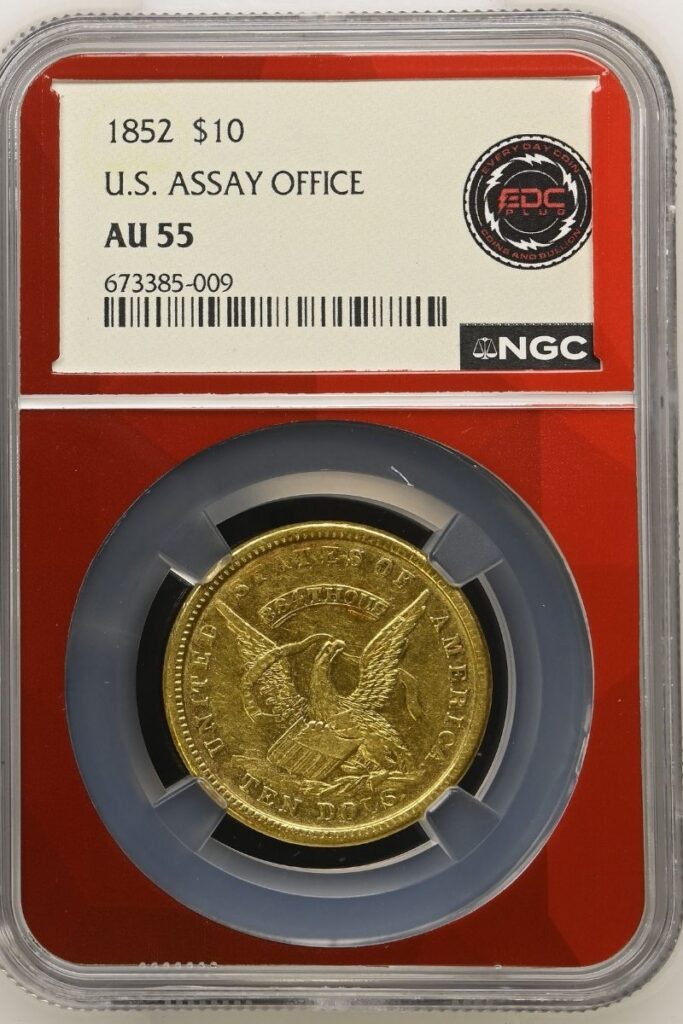
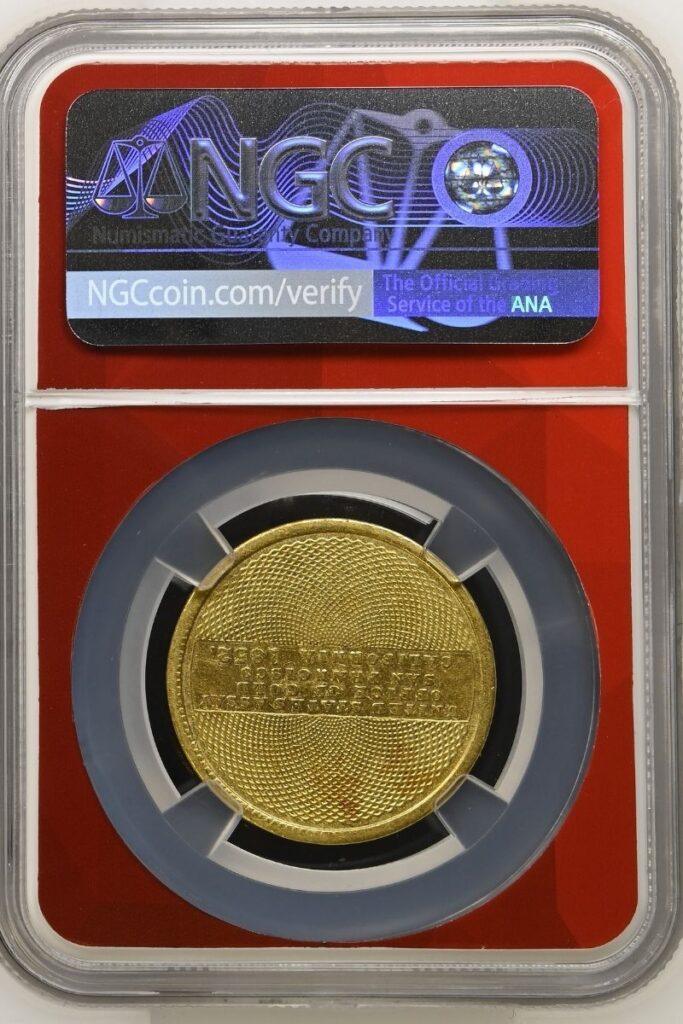
To give you a clear idea of why an appraisal is so important, let’s take a quick look at an appraisal we recently completed at Coinfully for a particularly valuable gold coin:
- Coin: 1852 $10 Gold California Assay Office Slug
- Grade: AU55
- Value: $13,800
Coin Appraisal vs. Offer vs. Estimate: What’s the Difference?
These three terms are often used interchangeably, but they mean different things, and confusing them can cost you money.
- An appraisal is a formal opinion of value, typically produced by a qualified professional and documented in writing. It reflects what a coin is theoretically worth based on the market, but it doesn’t mean anyone has committed to paying that amount.
- An offer is what a buyer will actually pay you, right now. This is the number sellers really care about. Offers can be lower than an appraisal because dealers need to factor in their own overhead and profit margin.
- An estimate is a rough range based on limited information, such as a quick look at photos, a brief description, or a surface-level comparison to price guides. Estimates are useful for ballpark purposes but shouldn’t be the basis for any major decisions.
Here’s the thing to watch out for: some “free appraisals” from coin dealers are really just offers dressed up with professional-sounding language.
Expect much more from Coinfully. Our appraisals are accurate, fair reflections of your coins’ value. We stand behind our appraisals, and to prove it, if you’re ready to sell your coins online, our numismatics team will make you an offer based on our appraisal.
How Coin Appraisals Work (Step-by-Step Process)
A thorough coin appraisal isn’t a quick glance and a guess. The most credible appraisals follow a structured process designed to arrive at an accurate, defensible value. Here’s what that process looks like from start to finish.
Initial Assessment
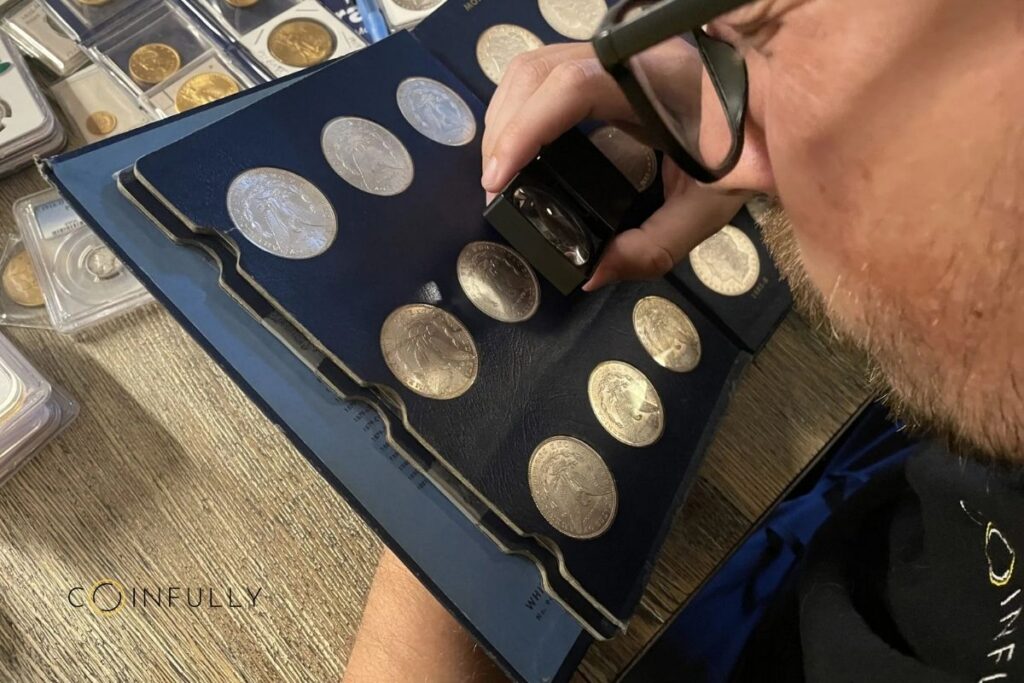
The appraiser begins with a visual inspection, examining the coin under magnification to identify its denomination, country of origin, mint year, and mintmark. These details establish the baseline for everything else.
A coin struck at the San Francisco Mint in a low-production year can be worth dramatically more than what appears to be an identical coin from Philadelphia in a high-production year.
Authentication
Before any value is assigned, the coin must be verified as genuine. Counterfeits exist across virtually every popular series, from Morgan dollars to ancient coins, and detecting them requires both expertise and the right tools.
Appraisers use loupes, digital microscopes, and sometimes electronic testing equipment to check weight, dimensions, surface characteristics, and die alignment. A coin that looks valuable but turns out to be a fake is worth nothing.
Approximate Grading
Grading is the process of evaluating a coin’s physical condition on a standardized scale. The most widely used system runs from Poor (P-1) at the bottom to Perfect Mint State (MS-70) at the top.
Coins that have been used in circulation fall into “circulated” grades (Good, Fine, Very Fine, Extremely Fine), while coins that never entered circulation are graded as “Uncirculated” or “Mint State.”
Condition is one of the most significant drivers of value. A 1916-D Mercury dime in Good condition might sell for a few hundred dollars. The same coin in Mint State can command tens of thousands.
Know that not every coin appraisal includes professional coin grading. In fact, many do not, though some will include estimated grading, which is not the same as grading from a professional grading service such as PCGS or NGC.
The appraisal should, however, identify any particularly valuable coins that are worthy of grading and recommend a professional grading service if warranted.
Market Research
With authentication and approximate grading complete, the appraiser researches what comparable coins have actually sold for.
This means looking at recent auction results from major houses such as Heritage Auctions and Stack’s Bowers, consulting dealer price lists, and reviewing population data from third-party grading services.
Final Valuation
The appraiser synthesizes all of the gathered information into a final value conclusion. A written appraisal documents the coin’s description, condition, and value and is signed by the appraiser.
A verbal appraisal is informal and carries no legal weight. For insurance, estate, or legal purposes, always get it in writing.
Factors That Affect Coin Value
Several variables combine to determine what any given coin is actually worth:
- Rarity: How many were minted, and how many survive in collectible condition? Low mintage figures and high attrition rates over time can make ordinary-looking coins genuinely scarce.
- Condition (Grade): Condition is often the single largest variable aside from rarity. A coin in exceptional condition can be worth multiples of the same coin in average condition.
- Demand and Market Trends: Collector demand fluctuates. Series that are popular right now may command premiums that cool over time, and vice versa.
- Precious Metal Content: Gold and silver coins carry an intrinsic value floor based on spot prices, which are always changing. This matters most when the collectible premium is low.
- Historical Significance: Coins tied to pivotal historical moments, such as the first year of a new design, a wartime composition change, or a particularly storied mint, often carry collector premiums beyond their raw rarity.
- Errors and Varieties: Doubled dies, off-center strikes, repunched mintmarks, and other production errors are highly sought after by specialists and can transform an otherwise common coin into a valuable find.
Types of Coin Appraisals
There are several different methods for getting your coins appraised. The right one depends on your collection’s size, your goals, and how much documentation you need.
Free Coin Appraisals
Many coin dealers and some online platforms offer free appraisals. The upside is obvious: no cost, quick turnaround, and easy access.
The downside is that a dealer offering a free appraisal typically has a financial interest in what they tell you. Their appraisal may reflect what they’re willing to pay rather than what the coins are genuinely worth on the open market.
Check online reviews carefully to ensure trustworthiness.
Paid Professional Appraisals
A certified, independent appraiser charges for their time and produces a written document that holds up in legal, insurance, and estate contexts. Fees typically run $50 to $150 per hour or more for complex or extensive collections.
This is the appropriate route when documentation is required for insurance policies, tax filings, or probate proceedings.
Online Coin Appraisals
Submitting photos online has become a practical option for many collectors. Some platforms use a combination of AI-assisted analysis and expert review to evaluate coins from images.
The convenience is hard to beat with no travel, no scheduling, and no waiting rooms. Accuracy depends heavily on photo quality and the expertise behind the platform.
For common coins, online coin appraisals work well. For high-value rarities, in-person review is preferable.
Coinfully’s free online appraisals were intentionally designed to be different. Our detailed evaluations are completed by numismatic experts and can be used for insurance, legal, and selling purposes.
Whether you’re holding a small collection worth a couple of hundred dollars or a highly valuable collection worth tens of thousands, you can count on a professional appraisal, clear answers to your questions, and higher offers, thanks to our low overhead.
In-Person Coin Appraisals
Local coin shops, regional coin shows, and expert home visits allow an appraiser to handle coins directly. This is the most reliable method for rare, high-value, or large collections.
Direct examination eliminates any ambiguity that photos can introduce and allows for immediate follow-up questions.
If your collection qualifies, Coinfully’s at-home appraisal service will send a professional numismatist to your home or chosen location to complete an in-person appraisal at your convenience, totally free of charge.
Our coin expert will evaluate your collection, provide a detailed appraisal, and make an offer on the spot. If you choose not to sell, that’s fine. You’re left with a professional no-cost appraisal that you can use for future planning and a deeper understanding of what your coins are truly worth.
Coin Appraisal vs. Coin Grading
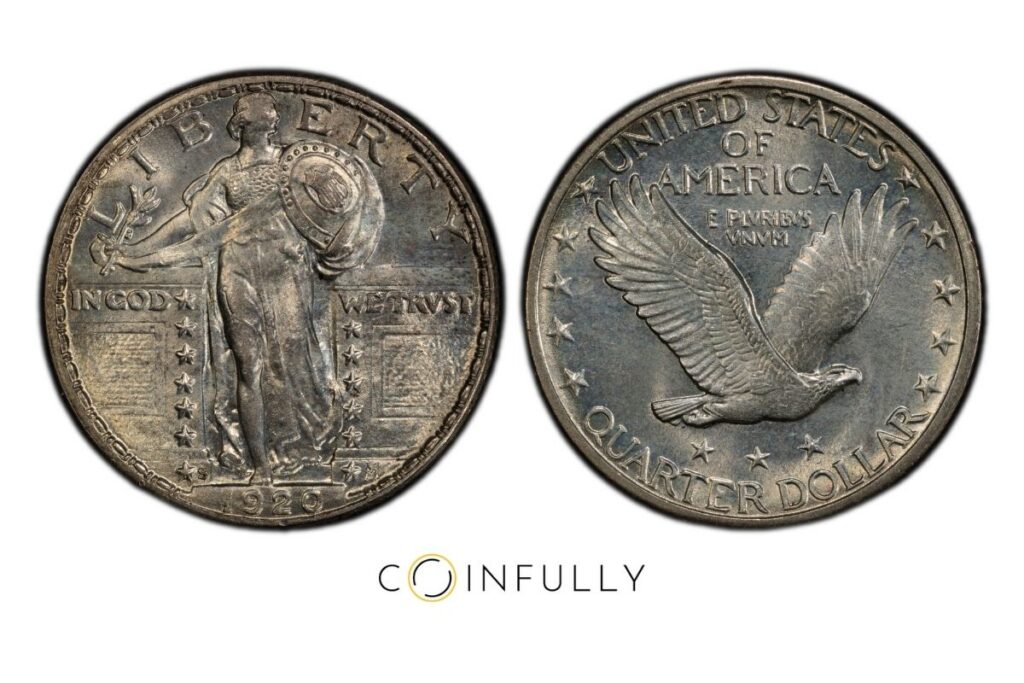
Grading and appraising are related but different things. Grading assigns a condition score to a coin. Appraising evaluates market data, rarity, coin condition, and demand to arrive at a dollar value.
Third-party grading services such as PCGS (Professional Coin Grading Service) and NGC (Numismatic Guaranty Company) provide independent, standardized grades that the entire market recognizes.
Coins in PCGS or NGC holders carry more credibility than coins with only a dealer’s word on their condition, which can significantly affect what buyers are willing to pay.
For any coin likely worth $500 or more, the cost of certification ($20 to $100+ per coin) is usually justified by the increase in buyer confidence and realized price. For common coins, grading fees usually exceed the coin’s value and make no financial sense.
Insurance Appraisals vs. Selling Appraisals
These two types of appraisals serve different purposes and routinely produce different numbers. Understanding which type of appraisal you’re getting prevents confusion when offers come in.
- An insurance appraisal establishes replacement value, i.e., what it would cost to replace the coin at retail if it were lost, stolen, or damaged. Because retail prices are higher than what sellers receive, insurance appraisals tend to come in higher than selling appraisals.
- A selling appraisal reflects realistic market value, i.e., what you would actually receive from a knowledgeable buyer today. This number is almost always lower than an insurance figure.
Where To Get a Coin Appraisal
Knowing your options puts you in a better position to choose the right one.
Coin Dealers
Local coin shops are accessible and can provide quick assessments. The potential conflict of interest is real: a dealer who also wants to buy your coins has an incentive to keep their appraisal conservative.
That said, reputable dealers can provide fair and useful evaluations, particularly when you’re not obligated to sell to them.
Auction Houses
Major auction houses are excellent for rare, high-value, and historically significant coins. They have deep market expertise and access to competitive buyer pools that can drive prices up.
The tradeoff is time, as auction consignment takes weeks or months, and sellers pay commissions that typically run 10% to 20%.
Professional Appraisers
Independent appraisers with no stake in buying your coins provide the most unbiased valuations.
Look for members of the American Society of Appraisers or the American Numismatic Association. These credentials signal training, ethical obligations, and accountability.
Online Platforms
Online appraisal platforms offer convenience and quick preliminary evaluations. Most let you upload photos and key details to receive an estimate within a short timeframe.
While helpful for initial insights, accuracy depends on image quality and completeness of information, and valuations or offers can vary across different platforms.
How To Choose a Trustworthy Coin Appraiser
A few qualities distinguish a genuinely trustworthy appraiser from someone who’s simply looking to acquire your coins cheaply:
- Credentials: ANA membership, PNG affiliation, or certification from PCGS/NGC signal professional standing.
- Reputation: Look for consistent positive reviews from sellers, not just buyers.
- Transparency: They should explain their valuation, not just state a number.
- No-pressure practices: A legitimate appraiser isn’t in a hurry to close a deal.
- Written documentation: Any reputable appraisal comes with paperwork.
Red Flags To Avoid in Coin Appraisals
Walk away if you encounter any of the following:
- An offer that seems too high to be realistic (designed to get you in the door).
- High-pressure tactics urging you to accept an offer immediately.
- No written documentation or explanation of how the value was determined.
- Refusal to answer questions about credentials or methodology.
- Pressure to sell on the spot before you’ve had time to think or get a second opinion.
How To Prepare for a Coin Appraisal
A few simple steps make the process smoother and protect your collection’s value:
- Do not clean your coins. This is the most important rule. Cleaning, even gentle polishing, destroys the coin’s original surface and can reduce its value by 50% to 90%. Cleaned coins are identified immediately by experienced appraisers and graders.
- Organize what you have. Group coins loosely by type or denomination if possible, but don’t handle them more than necessary. If you’ve inherited a collection, leave it largely as you found it.
- Take clear photos. For online appraisals, photo quality matters. Shoot in natural or diffuse light, with both obverse (front) and reverse (back) clearly in focus. Coinfully provides a photo guide to help.
- Gather any documentation. Prior appraisals, purchase receipts, original packaging, and provenance records all add context and can support higher values.
- Have realistic expectations. Most coins are worth less than their owners hope. This isn’t a slight; it’s just the nature of a market shaped by supply, demand, and condition.
How Much Does a Coin Appraisal Cost?
Free appraisals are widely available and are the right starting point for most sellers, particularly when the primary goal is getting an offer on a collection.
Paid professional appraisals, typically $50 to $150 per hour, are worth the cost when written documentation is required for insurance policies, estate proceedings, or tax purposes.
For high-value individual coins or entire collections destined for insurance coverage, the cost of a paid appraisal is almost always recouped.
Can You Appraise Coins Yourself?
You can try to appraise coins yourself, but for an accurate evaluation, a professional appraisal is strongly recommended.
Resources such as the PCGS CoinFacts database, NGC’s price guide, and the Red Book – A Guide Book of United States Coins give collectors a solid foundation for researching values.
For common, clearly identifiable coins in obvious condition grades, self-research can produce a reasonable ballpark.
The limitations are real, though. Valuation requires a trained eye. What looks like a Mint State coin to a newcomer often grades as Extremely Fine to an expert, and that difference can represent hundreds of dollars.
Authentication of potentially rare coins without professional tools and experience is unreliable, and price guides reflect retail values, not what a seller will actually receive.
Selling Strategy After Appraisal
Should you decide to sell your rare coins, there are several things to consider before making your move, as both timing and method affect what you ultimately receive.
- Selling in bulk vs. individually: Collections sold as a whole are faster and simpler, but individual coins sold to the right buyers can yield more per piece. For most sellers, the speed and simplicity of a bulk sale outweighs the upside of selling coin by coin.
- Timing the market: Precious metal prices fluctuate, and collector demand for certain series waxes and wanes. If you’re not in a rush, monitoring the market for a few months can make a difference.
- When to hold vs. sell: If a coin was recently graded MS-65 and population reports show only a handful in that grade, holding for the right collector buyer may be worthwhile. For coins that are common in high grades, selling promptly at a fair price beats waiting.
Get a Detailed Coin Appraisal Today From Coinfully
An appraisal is only as valuable as the confidence it gives you to act. Coinfully goes beyond basic estimates by delivering clear, well-supported valuations you can actually use, whether you’re selling, planning, or simply seeking clarity.
With expert review, transparent pricing, and no pressure to sell, you stay in control from start to finish.
Ready to uncover what your collection is truly worth? Contact Coinfully today to start your free, no-obligation coin appraisal and get answers you can trust.
Frequently Asked Questions
How long does a coin appraisal take?
A coin appraisal can take anywhere from a few minutes to several days, depending on the method and complexity. Simple online or in-person evaluations are often quick, while detailed, professional appraisals involving authentication and grading may require more time. Online appraisals through Coinfully are typically completed within one business day.
Are free appraisals accurate?
Free appraisals can indeed be accurate, but accuracy depends on the appraiser’s expertise and whether they have an incentive to undervalue your coins. Coinfully’s free appraisals are conducted by numismatic experts with no pressure to lowball, as full transparency is the entire point.
Should I get multiple appraisals?
For high-value collections or individual rare coins, getting two or three professional opinions is a smart move. It gives you a realistic range and helps identify any outlier offers, whether unusually high or low.
Can damaged coins still be valuable?
Yes, damaged coins can still be valuable. Some coins are so rare that even damaged examples command strong prices. However, damage, such as cleaning, corrosion, and rim nicks, significantly lowers most coins’ value relative to undamaged examples of the same issue.

