

To sell paper currency for top value, accurately assess each note’s rarity, condition, and historical significance while documenting provenance and unique features. Then, compare offers from reputable buyers, including specialists and dealers, to ensure a secure transaction and maximize your return.
Selling paper currency can be both financially rewarding and complex, especially for rare or historically significant notes, and knowing how to sell paper currency correctly differs entirely from simply selling to the first available buyer.
Understanding what drives value, from condition and rarity to unique features and collector demand, is essential for achieving top dollar.
Proper preparation, careful research, and awareness of market trends help ensure your notes are accurately valued and attract serious buyers. This guide walks you through each step, providing the knowledge needed to confidently sell your collection.
If you are interested in learning how much your paper currency is worth or are ready to sell your collection, Coinfully provides free appraisals, competitive offers, and fast payments. Contact us today to learn more.
Table of Contents
How To Sell Old Paper Money for Top Dollar
Selling paper currency can be a rewarding experience when approached carefully. To achieve the best price, it’s essential to combine thorough research, accurate valuation, and professional guidance.
Following a structured process ensures your rare and valuable notes receive fair consideration from trusted paper currency buyers.
1. Inventory Your Paper Money Collection
Begin by creating a detailed inventory of your collection, noting the size, denomination, series, and condition of each note. Identify both large size and small size notes, as well as any unusual features.
Documenting every item provides a starting point for valuation and helps sellers clearly communicate with currency buyers or appraisers.
2. Have a Professional Appraise Your Rare Paper Currency
Engaging an experienced appraiser ensures your notes are accurately valued. A certified professional can identify subtle features, errors, or high-interest items that affect market value.
A reputable appraiser will provide you with documentation supporting the fair purchase price, making it easier to negotiate confidently with currency buyers or collectors.
3. Consider Paper Currency Grading
Grading by PMG or PCGS can significantly influence the sale price of rare notes. Professional grading assesses condition and authenticity, providing buyers with assurance.
However, grading isn’t always necessary; small size, less valuable notes may not justify the cost or processing time. You should weigh the expected payoff against grading expenses carefully.
4. Choose a Selling Venue and Compare Offers
Selecting the right venue, whether a professional paper money dealer, online marketplace, or auction house, affects both price and security.
Sellers should actively compare offers, checking the credibility and experience of potential buyers. Understanding the difference between wholesale and retail pricing helps ensure fair compensation for each note in your collection.
5. Complete a Secure Transaction
Security is paramount when selling U.S. currency notes. Use insured shipping or in-person meetings at reputable locations. Confirm payment methods in advance, and retain all documentation.
A trusted paper currency buyer will provide clear instructions for the process, ensuring that both seller and buyer experience a smooth, protected transaction from start to finish.
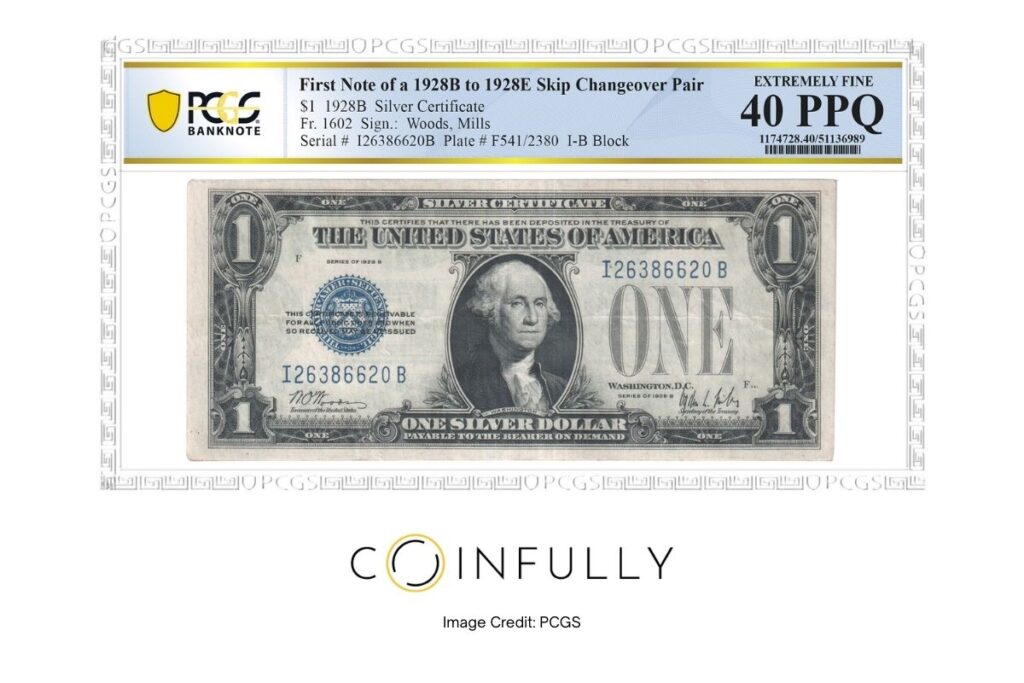
What Determines U.S. Paper Currency Values?
Understanding what drives American paper currency values is essential for sellers seeking top dollar.
Old paper currency values are influenced by rarity, condition, unique features, and collector interest, so it’s important for currency paper holders to study each note’s history and market demand before attempting to buy or sell.
Rarity and Print Run
A note’s rarity, determined by its print run and survival rate, heavily affects worth. Some small size paper money issues or old paper from limited series are highly sought after.
Even some notes you wouldn’t suspect as being valuable, such as an early-issue $2 dollar bill, can fetch surprising sums.
Collectors actively search for these rare items, and sellers should pay careful attention to market availability to find optimal selling opportunities.
Condition and Grading
The physical state of a note, including its folds, tears, ink clarity, and edges, directly impacts value. Notes in pristine condition command higher prices.
Professional grading enhances buyer confidence, and old U.S. currency in excellent condition is often considered a “premium” item in the business of buying rare and valuable notes.
Star Notes, Fancy Serial Numbers, and Errors
Special notes, including star replacements, repeating serial numbers, or printing errors, generate significant collector interest.
These items are often rare and difficult to find in circulation, making them highly desirable. Sellers who identify such features can position their notes for higher pay in competitive marketplaces.
Historical Significance and Demand
The historical context of a note, whether it is tied to a major era in U.S. history or features obsolete designs, adds intrinsic and collectible value.
Currency buyers frequently seek old paper with storied backgrounds, and notes with documented provenance can attract premium offers from both private collectors and professional companies.
Types of Valuable American Paper Currency
U.S. paper currency comes in a wide variety of collectible forms, each with unique features, history, and market demand. Understanding the different types helps sellers identify high-value items and connect with buyers interested in rare and historically significant notes.
Gold Certificates and Silver Certificates
Gold and silver certificates were once redeemable for precious metals, which makes them historically significant. Large and small size notes from these series are highly sought by collectors.
Buyers often pay premiums for well-preserved examples, especially those that are old paper with clear printing and minimal wear.
Federal Reserve Notes
Federal Reserve Notes are the modern form of U.S. currency, but rare early issues or unusual serial numbers can be collectible, as is the case with certain dollar bills worth money.
Notes from certain series or districts can be difficult to find, and sellers often must work with specialized currency buyers to ensure they receive fair value for unique items.
Federal Reserve Bank Notes
These notes, issued by individual Federal Reserve Banks as a form of emergency currency in the early 20th century, are far less common than standard Federal Reserve Notes.
They were phased out by the mid-1930s and are now collector’s items, with value dependent on their condition and the issuing bank.
Error and High-Denomination Notes
Printing errors, misaligned serials, or high-denomination U.S. notes are highly collectible. These notes are often difficult to locate, and when found, they tend to generate active interest in the market.
Collectors and currency buyers may pay significant premiums, particularly when the notes are in excellent condition and well documented.
Confederate States of America Currency
Confederate paper currency notes are prized for their history and scarcity. Most are old paper and fragile, thus requiring careful handling.
Collectors actively seek these items, and sellers who provide clear provenance and condition details can secure higher offers from both specialty dealers and companies experienced in buying rare U.S. currency.
Colonial Currency and Other Obsolete Banknotes
Colonial currency and obsolete banknotes from early U.S. banks are highly valued for their historical significance and rarity. These old paper notes often feature intricate designs and unique signatures and are generally difficult to find.
Collectors and specialized companies actively seek such items, and sellers who provide provenance and clear images can often secure premium offers.
How To Prepare Your Rare Paper Currency for Sale
Proper preparation ensures your notes retain maximum value and appeal to serious buyers. Follow these key steps:
- Store and protect: Keep notes flat in acid-free sleeves or currency folders, away from light, heat, and humidity.
- Do not clean: Cleaning can damage paper fibers and reduce value.
- Photograph accurately: Capture both obverse and reverse sides under even lighting, showing all markings and serial numbers.
- Document provenance: Record origin, purchase history, and any prior appraisals to build buyer confidence.
Should You Get Your Paper Money Currency Graded?
Grading by PMG or PCGS provides an expert, standardized assessment of condition and authenticity, which can increase value and buyer confidence. High-grade, rare notes benefit most, while common or lower-value notes may not justify the cost.
Expect fees ranging from $20–$150 per note and turnaround times of several weeks, depending on service level and market demand.
Where To Sell Old Paper Money
Selecting the right venue to sell paper money can significantly affect both price and security. Understanding the unique advantages and potential drawbacks of each of your options guides you in making informed decisions while maximizing the value of your rare notes.
Professional Paper Money Dealers
Professional dealers provide expert appraisals, immediate offers, and a streamlined selling process. They often pay fair prices for rare or high-demand notes.
However, some may offer lower amounts than auction results, and sellers should verify reputation and credentials to ensure a secure transaction.
Auction Houses
Auction houses can generate competitive bids that potentially result in top-dollar sales, especially for highly sought-after or unusual notes, but sellers may face listing fees, commissions, and longer timelines.
Success depends on the auction audience, marketing, and note condition. Generally, this option is best suited for exceptional or rare paper money.
Online Marketplaces
Platforms such as eBay allow sellers to reach a wide audience and potentially buy and sell notes quickly. While it is convenient, risks include buyer disputes, counterfeit concerns, and fluctuating prices.
Accurate descriptions, high-quality photos, and verified payment methods are essential for safe, profitable sales.
Local Coin & Currency Shops
Local shops offer in-person evaluations, quick cash offers, and the chance to build relationships with trusted buyers.
Limitations include a smaller inventory of buyers and potentially lower offers compared with online or auction sales. Visiting multiple shops helps ensure fair comparisons and informed decisions.
Common Mistakes To Avoid When Selling U.S. Currency Paper Money
When you have paper currency for sale, avoiding pitfalls ensures you receive fair value and protect your collection. Be aware of these common issues:
- Overpaying for grading: Not all notes benefit from professional grading.
- Selling without research: Lack of market knowledge can lead to undervaluing notes.
- Ignoring provenance: Buyers prefer documented history.
- Falling for unverified buyers: Avoid offers from unknown or untrusted sources.
- Cleaning or mishandling notes: Cleaning can permanently reduce value and appeal.
Currency Collectors Trust Coinfully: Free Appraisals & Top Offers
At Coinfully, our team of experts is constantly studying the market and is intimately familiar with all areas of numismatics, including paper currency.
Whether you have valuable United States paper currency, British paper currency, Chinese paper money, Japanese paper currency, Canadian paper currency, or a collection of rare coins, we’re here to help.
If you are interested in learning the true value of your collection or are thinking about selling, our free online appraisal service will provide the answers you need.
For those with particularly valuable collections, we’ll even come to you to provide an at-home appraisal and make an offer on the spot.
Our goal is to provide the most transparent, stress-free experience possible for selling valuable coins and currency. Contact us today to start the process and discover the real value your collection holds.
Learn More About Selling Rare and Valuable Coins and Currency
- How To Sell St Gaudens Double Eagle Gold Coins
- How To Sell American Eagle Gold Coins
- How To Sell Gold Bullion and Other Precious Metals
- How To Sell Silver Coins
- How To Sell Silver Eagle Coins for the Best Price
- How To Sell Silver Bullion for the Best Price
- The Ultimate Guide To Selling Your Coin Collection

