How Much Is Your Inherited Coin Collection Worth? A Realistic Guide
Learn how to evaluate the value of your inherited coins

Mar 28th, 2026 · 4 Minute Read
How much is your inherited coin collection worth? An inherited coin collection can range from a small group of circulating coins worth only face value to a valuable assortment of gold, silver, or rare collector pieces worth hundreds, thousands, or even more. The total value depends on factors such as precious metal content, rarity, condition, and current market demand.
Many people inherit coin collections without knowing whether they contain valuable pieces or everyday pocket change.
Some collections include gold coins, historic silver dollars, or rare issues that attract strong collector interest. Others may consist mostly of common coins that are only worth face value or slightly more.
The challenge is knowing how to tell the difference. This guide explains how to evaluate an inherited coin collection by looking at coin type, metal content, weight, rarity, and current market conditions.
If you’ve recently inherited a coin collection and are curious about its value, Coinfully can guide you with a detailed free online coin appraisal and answers to your questions.
If selling inherited coins is something you’re interested in, we offer the most seamless, stress-free way to sell coins online with top-of-market offers and a transparent, secure process that protects your payout.
Table of Contents
The First Step: Identify What Type of Coins You Inherited
Before estimating value, it is important to identify the types of coins in the collection. Inherited collections often contain a mix of gold coins, silver coins, high-value pieces, and circulating currency that was saved for historical or sentimental reasons.
Each category carries different value drivers, so separating coins by metal type and general category is a practical starting point.
Gold Coins vs. Silver Coins
Inherited gold coins and inherited silver coins differ significantly in base value because the metals themselves trade at very different prices. Even a small gold coin may be worth hundreds or thousands of dollars depending on its weight and purity.
Silver coins are more common in inherited collections, particularly older U.S. coins minted before 1965 that contain 90% silver. These pieces may include silver dollars, half dollars, quarters, and dimes that were saved for their metal content or collector interest.
Bullion vs. Numismatic Coins: Why the Difference Matters
Once you have separated coins by metal type, the next step is determining whether they are bullion coins, numismatic coins, or ordinary circulating coins.
- Bullion coins are purchased primarily for their precious metal content and tend to follow current gold or silver prices closely.
- Numismatic coins may carry additional value tied to rarity, condition, historical importance, and collector demand. Some can be worth thousands of dollars.
- Modern circulating coins may have little value beyond face value.
What Bullion Coins Are Worth
Bullion coins are valued mainly for their precious metal content. Their price is closely tied to the current gold or silver spot price, plus a small premium that reflects minting costs and dealer demand.
Common examples include the American Gold Eagle and the American Silver Eagle. These coins are produced in standard weights such as 1 ounce, 1/2 ounce, or 1/4 ounce, which makes their metal value relatively easy to calculate based on the current market price.
When Coins Have Collector Value
Numismatic coins can sell for more than their metal value when collectors are actively seeking specific dates, mintmarks, or well-preserved examples. Rarity is often tied to low mintage numbers or coins that were heavily circulated and rarely survive in high condition.
Coins such as the Morgan silver dollar or the Saint-Gaudens Double Eagle may command significant premiums if they are scarce or professionally graded in strong condition.
How Weight and Metal Content Impact Value
After identifying the type of coins in a collection, the next step is determining their metal content and weight. Precious metal coins derive a large portion of their value from the amount of gold or silver they contain.
Because coin weights and purity levels vary, two coins that look similar can have very different underlying metal values.
How Precious Metal Value Is Calculated
Precious metals are measured in troy ounces, which differ slightly from standard ounces used in everyday measurements. One troy ounce equals 31.1035 grams.
To estimate metal value, buyers look at three factors: the coin’s total weight, the percentage of precious metal it contains, and the current spot price of that metal.
For example, many older U.S. silver coins contain 90% silver, while modern bullion coins such as the American Silver Eagle contain a full troy ounce of pure silver.
Why Small Coins Can Still Be Valuable
A coin does not need to be large to hold significant value. Gold coins were often minted in fractional sizes such as 1/2, 1/4, or 1/10 of a troy ounce, and even these smaller pieces can carry substantial value when gold prices are high, as they are now.
Certain coins, such as the American Gold Eagle, are produced in several fractional weights, which means smaller coins in an inherited collection may still represent meaningful precious metal value.
How Market Conditions Affect What Your Inherited Coins Are Worth
Even after identifying a coin’s metal content and collectible characteristics, the market still influences what buyers are willing to pay. Precious metals trade globally, and prices move daily based on economic conditions, inflation expectations, and investor demand.
Collector markets can shift as well, which means the value of certain coins may rise or fall depending on current interest among collectors. This is definitely something to watch should you decide to sell your inherited coins.
Gold and Silver Prices Change Daily
The base value of bullion coins is tied directly to the current market price of gold or silver. These prices fluctuate throughout the trading day as global markets react to economic news, currency movements, and geopolitical events.
For inherited coins, the difference in metal value from the time of original purchase to the time the collection lands in your hands can be significant.
For example, in February 2006, the spot price of gold hovered around $550. By February 2016, the gold spot price had jumped to around $1,200. In February 2026, gold spot prices had climbed to over $5,000.
Keep in mind that the spot price is for 1 troy ounce. If you’ve inherited a large collection of bullion coins, it can be worth a lot more than you first assumed.
Collector Demand Can Add Significant Value
Numismatic coins follow a different market dynamic. Their value depends on how strongly collectors are pursuing certain dates, mintmarks, and well-preserved examples.
When demand rises for a particular series, prices can increase quickly for coins that are difficult to find in high condition.
Coins such as the Morgan silver dollar illustrate this pattern, where common examples trade near metal value but rarer Morgan silver dollars or higher grades can sell for far more.
Coins Commonly Found in Inherited Collections and What They’re Worth
Many inherited coin collections contain familiar U.S. coins that were widely saved for their silver or gold content. Others were collected because they were popular with hobbyists for decades.
While values vary based on date, mintmark, and condition, recognizing these valuable coins can provide a realistic starting point when estimating what an inherited collection might be worth.
Don’t forget that many collections also include ordinary circulating coins that may only be worth their face value or slightly more.
Below are several valuable coins that frequently appear in inherited collections, along with typical value ranges based on metal content and collector demand.
Morgan Silver Dollar (1878–1921)
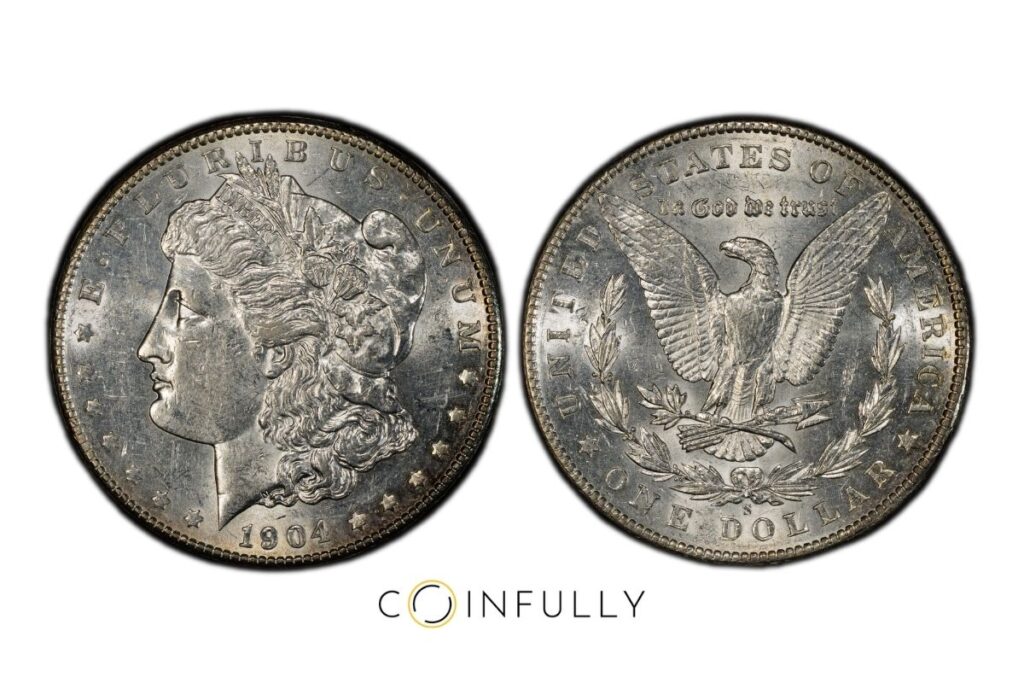
One of the most commonly inherited U.S. coins, Morgan dollars were widely saved for their silver content and historical appeal. Each coin contains about 0.77 troy ounces of silver.
Typical value ranges:
- Common circulated coins: About $70–$120+ depending on silver prices
- Uncirculated examples: $150–$400+
- Rare dates or high-grade coins: Several hundred to several thousand dollars
Peace Dollar (1921–1935)
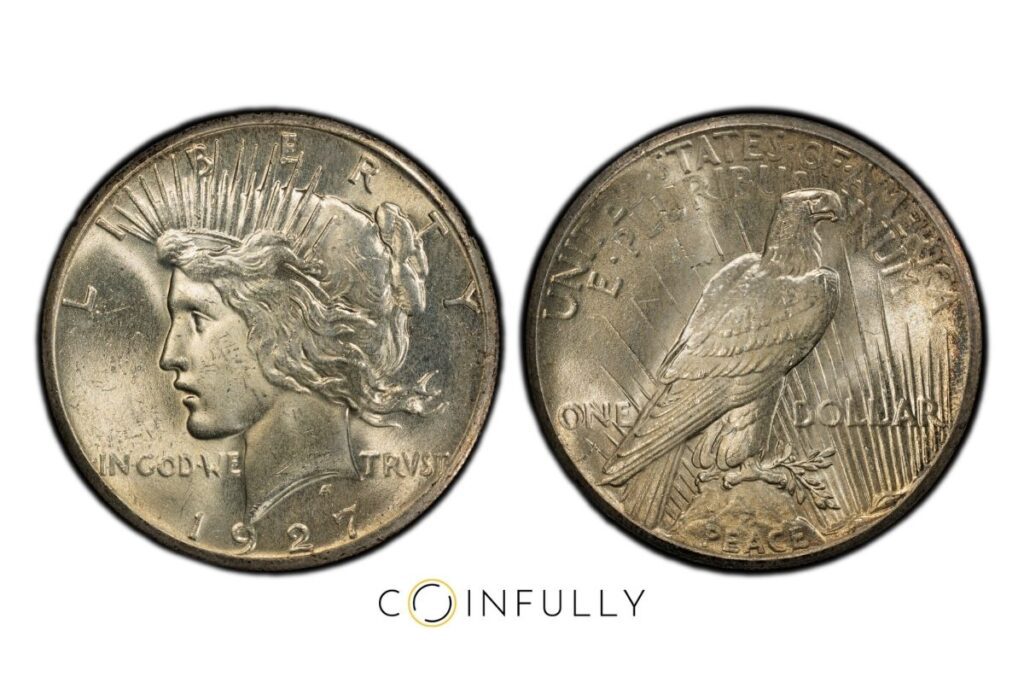
Peace dollars were minted after World War I and are another frequent find in inherited collections. Like Morgan dollars, they contain roughly 0.77 troy ounces of silver.
Typical value ranges:
- Common circulated coins: About $70–$120+
- Uncirculated examples: $150–$350+
- Scarce dates or high-grade coins: $500+
American Silver Eagle (1986–present)
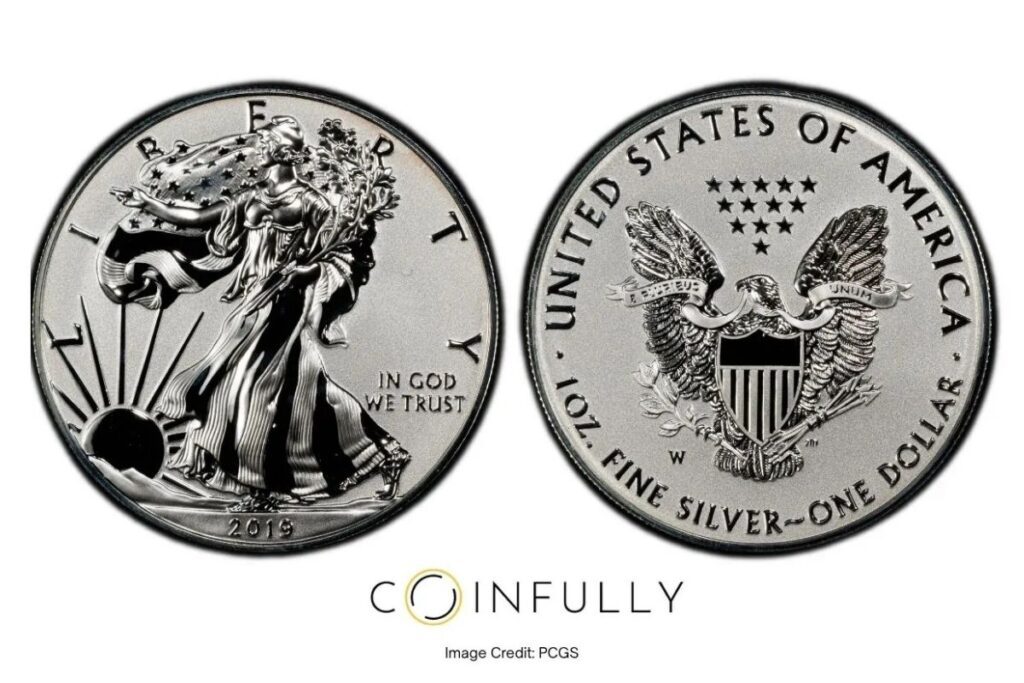
This modern bullion coin contains one full troy ounce of .999 fine silver. Many collectors and investors purchased these coins as a way to own physical silver.
Typical value ranges:
- Most coins: Roughly $80–$120+ depending on silver prices and dealer premiums
- Proof or limited releases: $150+ to several hundred dollars depending on rarity
Pre-1965 U.S. Silver Coins
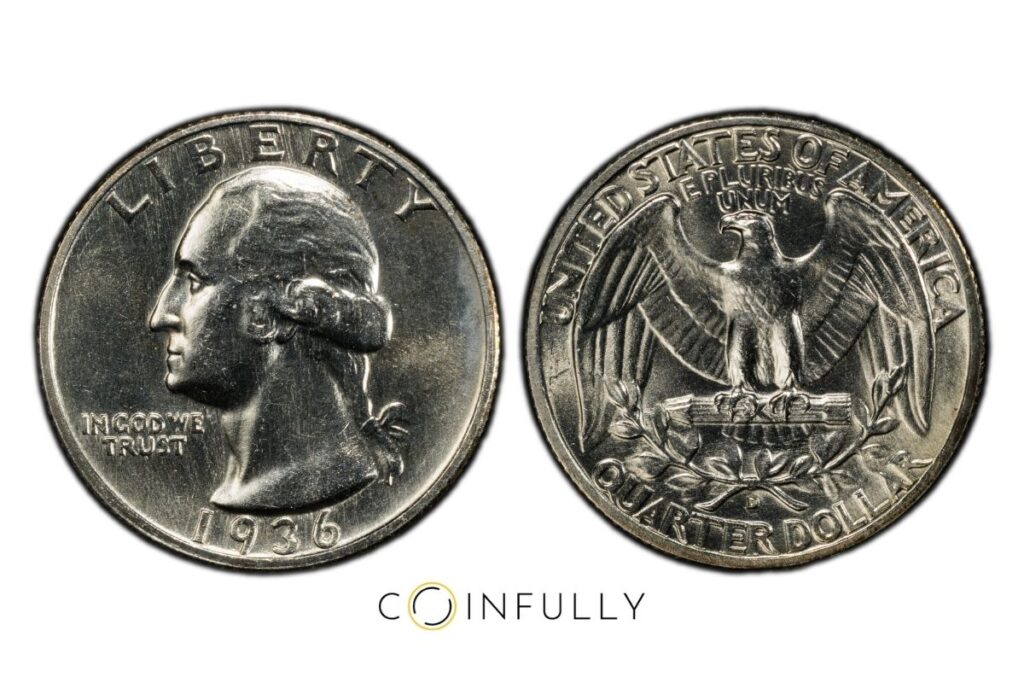
Many dimes, quarters, and half dollars minted before 1965 contain 90% silver. Families often saved these coins when silver was removed from circulating coinage. Common examples include Roosevelt dimes, Washington quarters, and Franklin half dollars.
Typical value ranges:
- Silver dimes: $6–$10
- Silver quarters: $15–$25
- Silver half dollars: $30–$50
Saint-Gaudens Double Eagle (1907–1933)
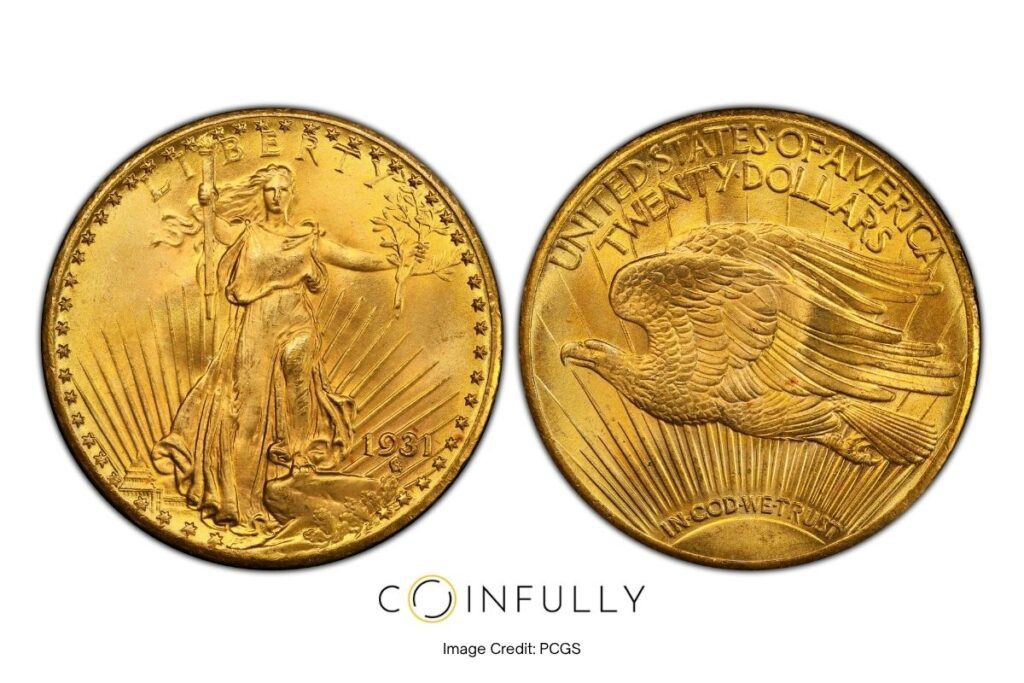
These historic $20 gold coins are among the most famous U.S. gold pieces and occasionally appear in inherited collections. Each contains about 0.9675 troy ounces of gold.
Typical value ranges:
- Common circulated coins: Often $4,500–$5,000+ depending on gold prices
- Uncirculated examples: $5,500+
- Rare dates: Significantly higher
American Gold Eagle (1986–present)
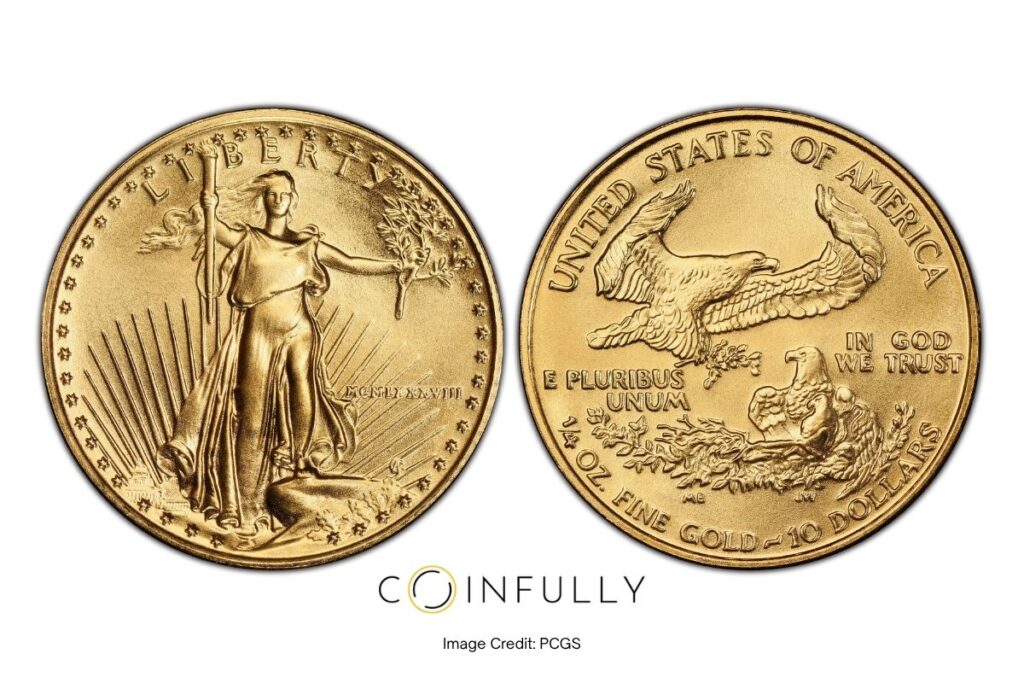
Modern gold bullion coins that many investors purchased as part of savings or retirement strategies. They are commonly found in 1-ounce, ½ ounce, ¼-ounce, and 1/10-ounce sizes.
Typical value ranges:
- One-ounce coins: Typically close to the current gold price, often $4,000+ depending on market conditions
- Fractional coins: $500 to over $2,000 depending on size
While many coins fall within these general ranges, specific dates, mintmarks, and condition can change values dramatically. Even within a common series, one coin might be worth only its metal content while another example from the same set could be worth much more to collectors.
What To Do With an Inherited Coin Collection
When deciding what to do with an inherited collection, first assess whether you want to hold or sell. Consider factors such as sentimental value, potential collector premiums, and market conditions.
Holding may make sense if coins are rare or expected to increase in value, while selling could provide immediate liquidity. Take inventory, note any coins that stand out for rarity or condition, and weigh your personal needs and financial goals before making a decision.
How To Sell an Inherited Coin Collection
If you choose to sell an inherited coin collection, start by organizing and documenting the entire collection. Record dates, mintmarks, condition, and metal content for each coin.
Next, seek a professional appraisal to get an accurate understanding of value, particularly for numismatic pieces.
Research selling options, including coin dealers, online platforms, auctions, and private collectors.
Each venue carries different levels of convenience, security, and potential return, so compare carefully. Having detailed records and verified appraisals ensures you receive fair offers.
Get a Realistic Value for Your Inherited Coin Collection
If you want an accurate assessment of what your inherited coins are truly worth, you can start with a free online appraisal from Coinfully.
Our experts will review photos or an inventory you provide and deliver a no‑cost, zero‑pressure valuation you can use for estate planning, insurance, or selling decisions.
For larger or historically significant collections, we also offer an at‑home appraisal service where a numismatic specialist travels to your location, reviews your coins in person, and can make a top‑of‑market offer on the spot. If you choose to sell, payment can be issued immediately.
Contact us today to learn more, or give us a call at (704) 621-4893 with any questions.
Frequently Asked Questions
Are inherited coins taxable?
In the U.S., inherited coins are generally exempt from income tax at the time of inheritance. However, if you later sell the coins, capital gains tax may apply based on the difference between the sale price and the fair market value at the date of inheritance. State rules can vary.
How much is a coin collection worth?
The value of a coin collection depends on metal content, rarity, condition, and demand. Common silver or gold coins may be worth close to melt value, while rare or uncirculated coins can command significant premiums. Accurate valuation requires inventorying, appraising, and considering current market conditions.
How to value an inherited coin collection?
Start by identifying coin types, dates, and mintmarks, and note condition. Separate bullion from numismatic coins, and calculate metal value using current spot prices. For collector coins, research rarity and market demand, and consider a professional appraisal for precise valuation and confidence in pricing.
Is it normal to be emotional when inheriting a coin collection?
Yes, many people feel emotional when inheriting coins, especially if they belonged to a loved one. Sentimental value can influence decisions about keeping or selling. It’s normal to weigh personal attachment alongside financial considerations when deciding how to manage the collection.
Wyatt McDonald President & Co-Founder of Coinfully. A student of numismatics and trained in the ANA Seminar in Denver, Wyatt is the face of Coinfully and a true expert. After spending a decade buying coins over the counter at a coin shop, he knew there had to be a better way, for everyone involved.
Get an Appraisal
Think you’re onto something big with your collection? Let’s talk…


 401 Hawthorne Ln, Ste 110-323 - Charlotte, NC 28204