

Many gold coin owners assume value equals weight in gold, but that is often only part of the story. Two coins with the same gold content can sell for vastly different amounts depending on rarity, condition, and demand.
Gold coins carry both intrinsic value and potential collector premiums. This guide explains how professional appraisals work, what factors influence pricing, and how to approach the process with confidence so you can pursue the highest possible return.
If you’re ready to learn how much your gold coins are truly worth, try a free online coin appraisal from Coinfully. Our seamless process can be completed from home and provides you with a detailed written evaluation that can be used for selling, estate, and insurance purposes.
Contact Coinfully today to speak with one of experienced numismatic experts and start the process.
Table of Contents
What Is a Gold Coin Appraisal?
A gold coin appraisal is a professional evaluation that determines a coin’s current market value based on both its gold content and any collector appeal.
Coin appraisals are commonly used before selling, for insurance coverage, for estate planning, or to better understand the value of an investment or inherited collection.
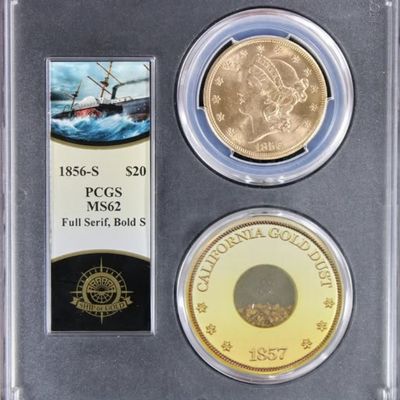
The importance of a professional coin appraisal for valuable coins can’t be overemphasized. What you think might not be worth much could possibly be worth thousands. Take a look at an appraisal we recently completed at Coinfully for a Liberty Head Double Eagle:
- Coin: 1856-S Liberty Head Double Eagle Gold $20 Coin (full serif, bold “S”)
- Grade: MS62
- Value: $10,500
Appraisal vs. Offer: What’s the Difference?
An appraisal is an informed estimate of a coin’s value based on market data and condition. An offer is what a buyer is willing to pay at a given moment, which may be lower. Understanding this distinction helps sellers avoid undervaluing coins or accepting less than they are worth.
Why Gold Coins Require Specialized Appraisal
Gold coins are not evaluated like standard gold items. They combine intrinsic metal value with potential numismatic value tied to rarity, condition, and demand. Many buyers focus only on melt value, which can lead to missed premiums. A specialized appraisal considers both components.
Thanks to years of experience and a tailored approach, Coinfully simplifies the appraisal process for gold coins and makes it easy to sell coins online with confidence.
How Gold Coin Value Is Determined
Gold coin values are based on a combination of measurable factors and market-driven influences. Each component contributes to the final price a buyer is willing to pay.
The Gold Spot Price (Your Coin’s Baseline Value)
The spot price of gold is the current market rate for one troy ounce of pure gold. It fluctuates daily based on global economic conditions, inflation expectations, and currency movement. A coin’s baseline value is calculated using its weight and purity multiplied by the spot price.
Gold Content and Purity
Gold coins vary in purity, commonly ranging from 22k to 24k. Higher purity means more actual gold content, which directly increases melt value. For example, a 24k coin contains more gold than a 22k coin of the same weight, resulting in a higher baseline valuation.
Numismatic Value (Collector Premium)
Numismatic value refers to the additional worth a coin gains from rarity, historical relevance, and collector demand. Coins with strong numismatic appeal can sell for far above their melt value, especially when demand is high and supply is limited.
Rarity and Mintage
Coins with low original mintages or limited surviving examples tend to command higher prices. Key dates, unique mintmarks, and mint errors can significantly increase desirability. Rarity is one of the most important drivers of premium value.
Condition and Estimated Grading
Condition has a major impact on value. Coins with minimal wear and strong visual detail are more desirable. Most appraisals provide an estimated grade, while formal grading is handled by third-party services such as PCGS or NGC. Higher grades often result in sharply higher prices.
Market Demand and Timing
Gold prices often rise during economic uncertainty, increasing baseline values. At the same time, collector demand can shift based on trends, which of course affects premiums. Timing can influence both intrinsic and numismatic value.
Historical Significance and Design
Coins tied to important historical periods or known for iconic designs often attract stronger interest. Limited releases or culturally significant coins may command higher prices due to their appeal beyond gold content alone.
For example, a 1794 Flowing Hair half dollar holds the significance of being the first half dollar minted by the United States and can be worth well over $10,000.
Types of Gold Coins and How They’re Appraised
Different categories of gold coins are evaluated using slightly different criteria. Understanding the type of coin you have helps understand how its value will be determined.
Bullion Coins
Examples of bullion coins include American Gold Eagles, Krugerrands, and Canadian Maple Leafs. These coins are valued primarily based on gold content, with a modest premium depending on demand and condition.
Numismatic (Collector) Coins
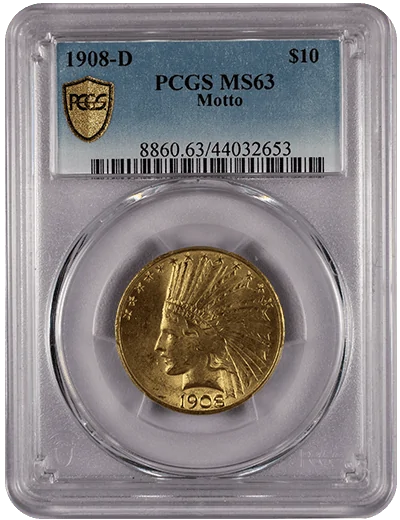
Valuable pre-1933 gold coins are valued based on rarity, condition, historical relevance, and demand. Their price can exceed melt value by a wide margin, particularly for scarce or high-grade examples.
Accurate appraisal requires familiarity with market trends, grading standards, and recent comparable sales data.
Proof and Special Edition Coins
Proof coins are specially struck coins for collectors that feature brilliant, mirror-like backgrounds and frosted reliefs. These coins are struck with higher precision and often sold in limited quantities.
Original packaging and condition influence their value, with collectors often paying premiums for well-preserved examples.
Damaged Gold Coins
Coins that are heavily worn, cleaned, or damaged typically lose collector appeal and intrinsic value. In most cases, they are appraised close to their melt value, since their numismatic premium is reduced or eliminated.
Severe damage can also impact weight or purity measurements, which may further affect the final valuation.
The Gold Coin Appraisal Process (Step-by-Step)
A gold coin appraisal follows a structured process designed to evaluate both intrinsic gold value and any potential collector premium. Each step builds on the last to ensure the final valuation reflects accurate measurements, condition, and current market data.
Step 1: Identification
The appraiser identifies the coin’s date, mintmark, denomination, and origin. This step also involves verifying authenticity to ensure the coin is genuine and not altered or counterfeit.
Step 2: Weighing and Testing
The coin is weighed and tested to confirm its gold content and purity. Accurate measurements are essential for calculating melt value and establishing a reliable baseline.
Step 3: Assessing Coin Condition
The appraiser evaluates wear, surface quality, and visual detail. Luster, scratches, and overall preservation are considered to estimate a grade and determine potential collector value.
Step 4: Market Research and Comparable Sales
Recent auction results and dealer pricing trends are reviewed to understand how similar coins are currently selling. This ensures the appraisal reflects real market conditions rather than outdated pricing.
Step 5: Final Value Calculation
The final value combines melt value with any applicable numismatic premium. The result reflects both the coin’s intrinsic worth and its position in the collector market.
Where To Get a Gold Coin Appraisal
Where you choose to have your gold coins appraised can directly impact both the accuracy of the evaluation and the offers you receive.
Different appraisal options vary in expertise, transparency, and pricing approach, making it important to understand how each one operates before moving forward.
Local Coin Shops
Local shops provide fast in-person evaluations, which can be convenient. However, appraisals are often tied to purchase offers, which may not reflect the highest possible market value.
Pawn Shops
Pawn shops typically focus on quick transactions and often base offers on melt value. Their expertise in numismatic coins is usually limited, which can result in lower valuations.
Auction Houses
Auction houses are best suited for rare or high-value coins. They can achieve strong prices but require more time and involve seller fees that reduce final proceeds.
Online Appraisal Services (Best Option for Most Sellers)
Online coin appraisals offer convenience and access to a broader market. They often provide more competitive evaluations by considering both bullion and collector value, along with current market demand.
Why Online Appraisals Often Get You More Money
Online appraisals create a more competitive environment by exposing your coins to a broader pool of potential buyers rather than a single local offer.
This wider reach improves pricing accuracy by aligning valuations with real-time market demand, recent sales data, and current gold prices.
Instead of relying on one opinion, your coins are evaluated within a larger marketplace where both bullion and collector value are considered.
Coinfully applies this approach with a strong focus on numismatic expertise, combining detailed coin analysis with transparent communication so sellers understand how each value is determined and how offers are supported by actual market activity.
Common Mistakes That Cost Gold Coin Sellers Money
Avoiding common missteps can make a significant difference in your final payout. Many sellers lose value due to simple oversights or lack of information.
- Assuming All Gold Coins Are Worth Melt Value: Some coins carry strong collector premiums. Treating them as scrap gold can result in a significantly lower payout than their true market value.
- Selling Without an Appraisal: Skipping an appraisal increases the risk of undervaluation. Without proper evaluation, sellers may accept offers that do not reflect the coin’s full worth.
- Mishandling Coins: Cleaning, improper storage, or handling coins without care can damage surfaces and reduce value. Even minor changes can impact collector appeal.
- Accepting the First Offer: Initial offers are not always the highest. Comparing multiple evaluations helps ensure a more accurate understanding of value.
- Not Understanding the Market: Gold prices and collector demand shift over time. Selling without awareness of current conditions can lead to missed opportunities.
How To Prepare Your Gold Coins for an Appraisal
Preparation helps ensure a smoother process and more accurate evaluation. A few simple steps can protect value and improve results.
Do NOT Clean Your Coins
Cleaning can scratch or alter the coin’s surface, reducing its grade and collector value. Leave coins exactly as they are, even if they appear tarnished or worn.
Keep Original Packaging and Documentation
Boxes, certificates, and receipts can add value, especially for proof or limited-edition coins. These materials help verify authenticity and enhance collector appeal.
Organize Coins by Type or Set
Grouping coins by series, denomination, or collection makes evaluation easier and helps appraisers identify potential sets that may carry additional value.
Take Clear Photos for Online Appraisals
High-quality images of both sides of each coin allow for more accurate initial assessments. Good lighting and sharp focus help capture important details.
How Much Are Gold Coins Worth Right Now?
Gold coin values start with melt value, which reflects the current price of gold based on weight and purity, but collector premiums can increase that amount.
Gold prices fluctuate due to economic conditions, inflation concerns, and global demand. As of April 15, 2026, gold is approximately $4,800.00 per troy ounce, setting a strong baseline for most coins.
When Should You Get a Gold Coin Appraisal?
A gold coin appraisal is useful before selling to establish fair value and avoid low offers. It is also important after inheriting a collection, when documenting assets for insurance or estate planning, or when gold prices rise and market conditions become more favorable.
Why Choose Coinfully for Your Gold Coin Appraisal
Working with the right appraisal service can directly impact your outcome. Coinfully focuses on accurate evaluations, transparent communication, and competitive offers based on real market data.
Expert Evaluation of Both Gold and Numismatic Value
We evaluate coins beyond their gold content, identifying collector premiums tied to rarity, condition, and demand. This approach helps ensure coins are not undervalued based solely on melt price.
Fast, Secure Online Process
Our free online coin appraisal service is designed for efficiency and security, allowing sellers to submit information and receive evaluations without unnecessary delays or complicated steps.
Concierge At-Home Gold Coin Appraisals
For large or historically significant collections, we’ll send one of our numismatic experts to you for an in-home appraisal at no cost. If you decide to sell, we’ll make you an offer on the spot and provide immediate payment.
Competitive Offers Based on Real Market Demand
Our offers reflect current market conditions, supported by real transaction data and active buyer demand, rather than static pricing models.
Trusted by Sellers Nationwide
Coinfully has built a reputation for reliability and consistency, helping sellers across the country navigate the appraisal and selling process with confidence. Our consistently positive reviews speak for themselves.
Ready to understand the true value of your coins? Contact Coinfullytoday to receive your detailed no-cost appraisal. There’s never any pressure to sell and no hidden fees whatsoever.
Frequently Asked Questions
How do I find out how much my gold coins are worth?
Start by identifying the coin (date, mintmark, and type), and then calculate its melt value based on gold content and current spot price. However, many coins carry additional collector value. A professional appraisal from Coinfully ensures you don’t miss hidden premiums.
What is the difference between melt value and market value?
Melt value is the raw value of the gold based on weight and purity. Market value includes any added premium from rarity, condition, and collector demand. An appraisal determines where your coin falls between these two figures.
How long does a gold coin appraisal take?
It depends on the method. In-person appraisals may take minutes, while more detailed evaluations (especially for rare coins) can take longer. Online appraisals are typically fast, often providing initial estimates within a day or two after submission.
What gold coins are worth the most?
The most valuable gold coins are typically those that are rare, historically significant, and in excellent condition. Examples include low-mintage coins, early U.S. gold coins, and high-grade certified pieces.
Is it better to sell gold coins online or locally?
Online selling often results in better offers due to broader competition and more accurate pricing. Local options can be convenient but may offer less, especially if they focus primarily on melt value.

