

Whether you recently inherited a gold coin collection or have been holding onto gold coins for years, understanding how appraisers determine value is the key to getting a fair price.
A gold coin appraisal involves more than just checking the spot price of gold. Professional appraisers evaluate a combination of factors that can make your coins worth far more than their weight in metal.
In this guide, we break down exactly how to appraise gold coins, what goes into a gold coin appraisal, the value factors that matter most, and how you can prepare before working with an appraiser.
If you’re dreading the long hours and hassle associated with a traditional coin appraisal, take advantage of Coinfully’s fast and free online coin appraisal.
Simply send in photos of your coins from the comfort of your home. We’ll carefully evaluate each coin, provide a detailed written appraisal, and answer any questions you may have. Contact us today to learn more and start the appraisal process.
Table of Contents
What Is a Gold Coin Appraisal?
A gold coin appraisal is a professional evaluation of your coin’s market value. This process considers the physical characteristics of the coin, its historical background, current market conditions, and overall condition.
The goal is to determine what a buyer would reasonably pay for it, not just what the gold itself is worth.
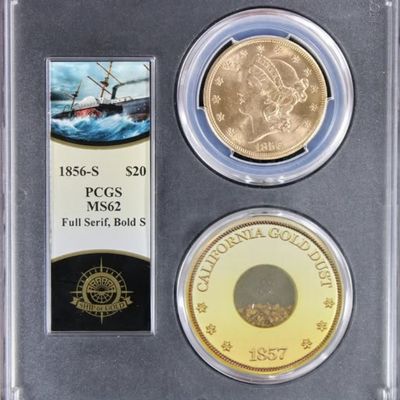
Take a look at a recent gold coin appraisal completed here at Coinfully:
- Coin: 1856-S Liberty Head Double Eagle Gold $20 Coin (full serif, bold “S”)
- Grade: MS62
- Value: $10,500
How To Identify Your Gold Coins Before an Appraisal
Before you can estimate value, you need to accurately identify what you have. Start by examining the coin’s date, denomination, and mintmark, which is a small letter indicating where it was produced. If you don’t see a mintmark, the coin was likely minted at the Philadelphia Mint.
Look for inscriptions such as country of origin and face value, which can help distinguish U.S. coins from foreign issues such as Krugerrands or Sovereigns. Pay attention to size, weight, and design details, as many gold coins have similar appearances but very different values.
If you’re unsure, compare your coin to reputable online references. Proper gold coin identification ensures you don’t mistake a potentially rare or valuable coin for a common bullion piece.
The 6 Key Factors That Determine Gold Coin Value Today
Several key factors work together to determine what your gold coins are actually worth, and understanding them can help you spot hidden value before selling.
While gold content sets the baseline, elements such as condition, rarity, and market demand often make the biggest difference in your final coin collection appraisal.
1. Gold Content and Purity
The foundation of any gold coin’s value starts with its metal content. Coins are made with varying levels of purity, measured in karats or fineness.
For example, the American Gold Eagle contains 91.67% gold (22 karat), while the Canadian Gold Maple Leaf is 99.99% pure gold (24 karat). Higher purity generally means a closer price alignment with the current spot price of gold.
An appraiser will verify the gold content and weight, which is typically measured in troy ounces, to establish a baseline melt value for your coin.
2. Coin Condition and Grading
Condition is one of the most significant factors separating a coin worth its melt value from one worth multiples of that amount. Coin grading uses a standardized scale from 1 to 70, where higher numbers indicate better preservation.
The most recognized grading services in the industry are PCGS (Professional Coin Grading Service), NGC (Numismatic Guaranty Company), and CAC (Certified Acceptance Corporation).
A coin graded Mint State (MS) 65 or above will typically command a significant premium over the same coin in lower grades.
Key condition factors appraisers examine include surface marks, luster, strike quality, and evidence of wear or cleaning.
*Important note: Never clean your gold coins before an appraisal. Cleaning can reduce value by removing the original surface patina that collectors prize.
3. Rarity and Mintage Numbers
Rarity plays a major role in determining gold coin numismatic value. Coins with low mintage numbers or those where few examples survived over time are naturally more sought after by collectors.
For example, certain dates and mintmark combinations of the Saint-Gaudens Double Eagle are extremely rare and can sell for tens of thousands of dollars, while more common dates might only be worth slightly above gold coin melt value.
An experienced appraiser will know which dates, varieties, and mintmarks carry a premium.
4. Mintmarks and Varieties
Mintmarks are small letters on a coin indicating where it was produced. Gold coins minted at certain facilities, particularly the Dahlonega (D), Charlotte (C), and Carson City (CC) mints, tend to be rarer and more valuable than those from Philadelphia or San Francisco.
Die varieties and errors can also add significant value. These are subtle differences in how a coin was struck that collectors actively seek out.
5. Historical Significance
Gold coins that are tied to important historical events or eras carry additional value.
Pre-1933 gold coins are especially collectible because President Roosevelt’s Executive Order 6102 required citizens to turn in most gold coins, making surviving examples from that period particularly desirable.
Coins from notable series such as the Liberty Head, Indian Head, and Saint-Gaudens designs each have their own collector following and market dynamics that an appraiser will factor into the valuation.
6. Market Demand and Current Trends
Even rare coins in excellent condition are ultimately only worth what a buyer will pay. Market demand fluctuates based on collector interest, gold spot prices, economic conditions, and trends in the numismatic community.
Popular gold coin types that consistently hold strong demand include the American Gold Eagle, Gold Buffalo, South African Krugerrand, and Canadian Gold Maple Leaf. A trustworthy appraiser stays current on market trends to provide an accurate, real-time valuation for your coins.
Melt Value vs. Numismatic Value: Understanding the Difference
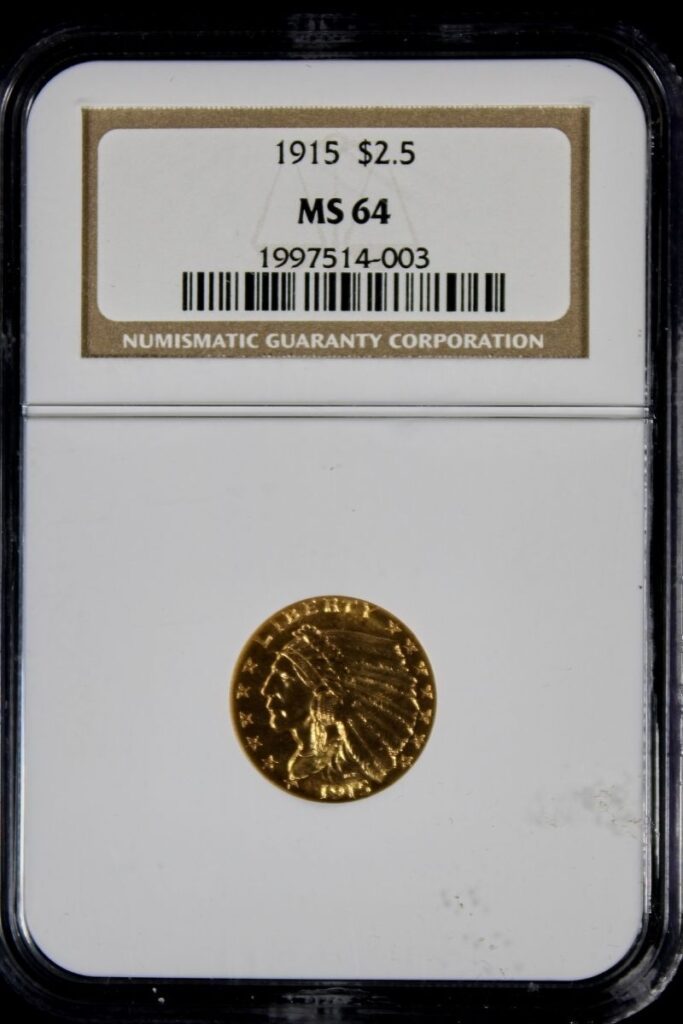
Every gold coin has two layers of value. The melt value is simply the worth of the gold content based on the current spot price. Numismatic value accounts for everything else, including rarity, condition, historical significance, and collector demand.
A common bullion coin like a standard-date Gold Eagle might trade close to its melt value plus a small premium. But a rare date Gold Eagle in exceptional condition could be worth many times the melt value due to collector interest.
This distinction is exactly why a professional coin appraisal matters. Without one, you risk selling a numismatically valuable coin at melt price and leaving money on the table.
How To Determine the Melt Value of Your Gold Coins
Estimating melt value gives you a baseline for what your coin is worth based on gold content alone.
- First, determine the coin’s weight in troy ounces or grams.
- Next, identify its purity, which is typically expressed in karats or fineness, such as 22k (91.67%) or 24k (99.99%).
- Multiply the total weight by the purity to find the amount of pure gold.
- Then, multiply that figure by the current gold spot price to calculate melt value.
While this number doesn’t account for collector premiums, it provides a useful starting point and helps you avoid accepting offers below intrinsic value.
When a Self-Appraisal Isn’t Enough
While basic identification and melt value estimates are helpful, some situations call for expert evaluation. Rare coins, high-value collections, or pieces with uncertain authenticity require professional insight.
Grading, market demand, and subtle variety differences can significantly impact value. A professional appraisal ensures nothing is overlooked and helps you make informed decisions with confidence.
If you’re wondering how much an appraisal will set you back, our guide on coin appraisal cost explains it all.
How To Prepare Your Gold Coins for Appraisal
Before meeting with an appraiser, take these steps to get the most out of the process:
- Sort your coins by type. Group American Eagles together, separate foreign gold coins such as Krugerrands or Sovereigns, and set aside any coins that look especially old or unusual.
- Do not clean or polish your coins. This is worth repeating because it is the most common mistake. Cleaning removes the natural patina and can dramatically lower a coin’s grade and value.
- Document what you have. Take clear photos of the front and back of each coin, especially if getting an online coin appraisal. Note any markings, dates, or inscriptions you can see. This helps the appraiser work more efficiently and gives you a record of your collection.
- Keep coins in their original holders. If your coins are in flips, slabs, or albums, leave them there. Handling valuable or rare gold coins with bare hands can leave oils that damage surfaces over time.
Once your appraisal is complete, you may receive an offer for your collection. Don’t feel pressured to decide right away. If you’re leaning toward selling, be sure to read our guide on how to sell gold coins so that you don’t wind up leaving money on the table.
Get Your Gold Coins Appraised the Right Way
A proper gold coin appraisal considers every factor that contributes to value, from purity and condition to rarity and market demand.
Skipping this step or relying on a quick internet search can mean the difference between getting a fair price and significantly undervaluing your collection.
Start With a Free Coin Appraisal From Coinfully
At Coinfully, our numismatic experts evaluate your gold coins based on all of these factors to give you a transparent, accurate appraisal.
You can start with a free coin appraisal online from the comfort of your home, or if you have a larger collection, ask about our at-home appraisal service where an expert travels to you.
Ready to find out what your gold coins are really worth? Contact Coinfully today to discuss your collection with an expert numismatist and start the appraisal process.
Frequently Asked Questions About How To Appraise Gold Coins
How much is a gold coin worth?
Gold coin value depends on its gold content, condition, rarity, and current market demand. While some coins trade close to their melt value based on spot price, others can be worth significantly more due to collector premiums, especially if they are rare or in high-grade condition.
How can I tell if a gold coin is real?
To check if a gold coin is real, examine its weight, dimensions, and design details against known specifications. Use a magnet test, as gold is not magnetic, and listen for a distinct ring when gently tapped. For certainty, a professional appraisal can confirm authenticity.
Can I appraise my gold coins without professional help?
You can estimate value by identifying the coin, calculating melt value, and checking for signs of rarity or strong condition. However, self-appraisals are only a starting point. A professional evaluation is still the best way to confirm true market value and avoid costly mistakes.
How do I know if my gold coin has numismatic value?
Gold coins may have numismatic value if they are rare, pre-1933, in excellent condition, or tied to limited mintages or unique varieties. If your coin stands out in any of these areas, it could be worth significantly more than its melt value.
What tools do I need to appraise gold coins at home?
Basic tools include a digital scale, a magnifying glass or loupe, and access to current gold spot prices. These help you measure weight, inspect condition, and estimate melt value to give you a general idea of what your coins may be worth.
Should I get my gold coins graded before selling?
Whether or not grading is justifiable depends on the coin. High-value or potentially rare coins often benefit from professional grading, which can increase buyer confidence and selling price. For common bullion coins, grading doesn’t add enough value to justify the cost.
How accurate are online gold coin appraisals?
Online appraisals can be highly accurate when clear photos and details are provided. Reputable services evaluate both melt value and collector premiums using current market data. For rare or complex coins, a more detailed in-person review may still be recommended.

