How Long Does a Coin Appraisal Take? A Guide for Coin Collectors
Learn About the Timeframe, Cost, and Value of a Coin Appraisal

Mar 29th, 2026 · 4 Minute Read
Whether you’ve inherited a collection from a family member or spent decades assembling one yourself, getting a coin appraisal is one of the most important steps you can take before making any decisions about selling or insuring your coins.
One of the first questions most people have is a simple one: how long is this going to take? The honest answer is that it depends. Collection size, coin complexity, and the appraiser’s process all factor in, but this guide will walk you through everything you need to know.
If you’re worried about spending long hours getting an expert evaluation of your coin collection, take advantage of Coinfully’s free online coin appraisal.
After submitting photos or an inventory, you’ll receive a detailed certified appraisal at no cost and with no pressure to sell. It doesn’t get any easier than that.
Table of Contents
How Long Does a Coin Appraisal Take? Typical Timeframes & What Affects Them
A coin appraisal can take anywhere from five minutes to several days, and that wide range is not an exaggeration.
The process for a single valuable Morgan silver dollar looks nothing like the process for a 5,000-piece estate collection spanning multiple decades and coin types.
At its core, a coin appraisal involves physically examining each coin, researching its variety, assessing its grade and condition, cross-referencing it against current market data, and then documenting the findings.
Each of those steps takes time, and the more coins there are, the more that time compounds.
For a straightforward collection of common date coins in standard denominations, an experienced numismatist can move quickly.
However, when a collection includes early American coinage, key date varieties, proof sets, or coins with unclear provenance, the appraiser must slow down and conduct more detailed research before arriving at a reliable valuation.
Below are general timeframe estimates for coin appraisal services to help set your expectations.
- Single coin: 5 to 30 minutes
- Small collection: 30 minutes to a few hours
- Large or complex collection: Several hours to multiple days
Coin Collection Size
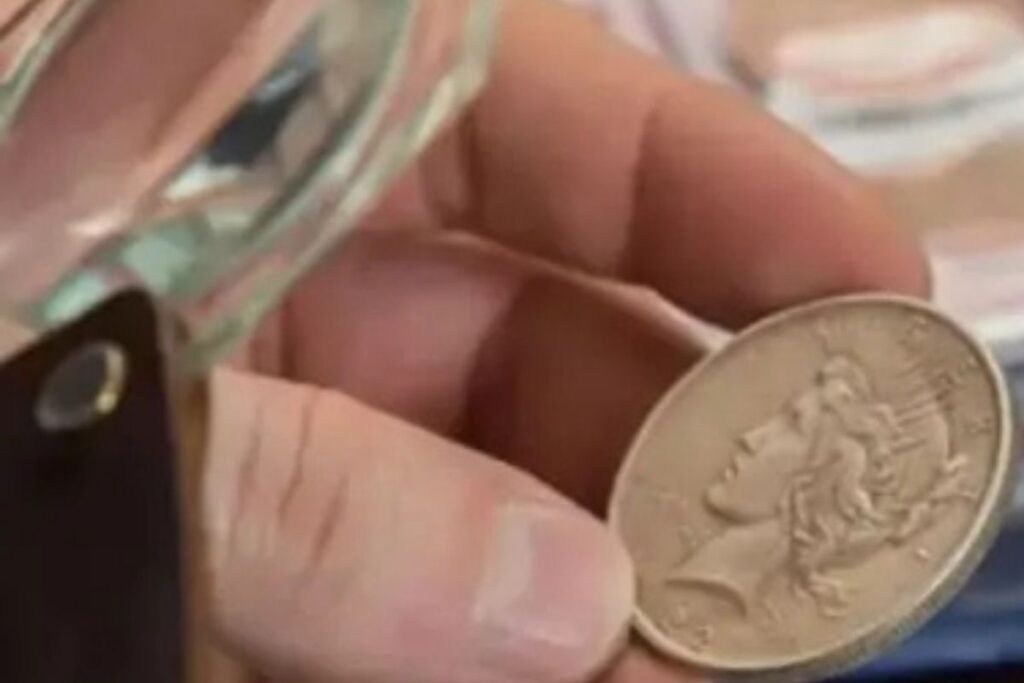
This is the most straightforward factor. More coins simply means more time. An appraiser evaluating a small grouping of a few dozen coins can often complete the job in a single sitting.
A collection numbering in the hundreds or thousands requires considerably more time, especially when coins need to be sorted, identified, and individually assessed rather than processed in bulk.
If your collection spans multiple coin types, denominations, or eras, the appraiser cannot simply work through one category and move on. Each subset of the collection may require a different body of knowledge and different reference materials.
Coin Collection Complexity
Complexity goes beyond size. A collection of 500 modern bullion coins is, in many ways, easier to appraise than a collection of 50 valuable quarters and rare pennies, because bullion values are straightforward and the market is highly liquid.
The latter requires die variety attribution, detailed examination, and research into historical auction results. Collections that include foreign coins, ancient coins, Civil War-era coinage, territorial gold, or pattern coins are among the most time-consuming to appraise properly.
If your collection touches on any of those categories, budget significantly more time and seek out a professional coin appraiser who specializes in those areas.
Condition and Rarity of Your Coins
The rarer and more potentially valuable a coin is, the more time an appraiser will spend on it. A coin that could be worth $50 in one grade and $5,000 in another demands careful scrutiny.
Appraisers examining high-value coins will often use magnification, strong lighting, and reference guides to rule out cleaning or damage that might not be immediately visible and to confirm the value.
Coins with surface issues such as environmental damage, artificial toning, or signs of cleaning require additional time to assess accurately, since these factors significantly affect value.
Documentation and Provenance
If your coins come with original documentation, prior grading certificates, purchase receipts, or provenance records, that information can speed up the appraisal process considerably.
A coin already graded and encapsulated by PCGS or NGC requires much less time to evaluate than a raw coin of the same type, because the grade has already been certified by a third party.
On the other hand, if an appraiser needs to research the history of a coin or verify its authenticity before valuing it, that adds considerable time to the process.
The Coin Appraiser’s Schedule
Even if the physical appraisal itself would only take a few hours, turnaround time from initial contact to completed written appraisal can vary based on the appraiser’s current workload.
Busy dealers and auction houses may quote two to four weeks for a formal written appraisal during peak seasons. If you need a quick estimate for an estate matter or a time-sensitive sale, ask the appraiser upfront about their current availability.
Online appraisal services often offer faster initial turnaround, sometimes within a few business days, because they can schedule evaluations more efficiently without requiring in-person appointments.
Where To Get Coins Appraised
Knowing where to take your collection is just as important as knowing what to expect from the process. Not every appraiser is the right fit for every collection, and the venue can affect both the quality of the appraisal and the time it takes.
In-Person Coin Appraisal Options
Local coin dealers and shops, coin shows, and auction houses are the most traditional in-person options. A reputable local coin shop can often provide a quick verbal estimate on the spot, though formal written appraisals typically require scheduling.
Coin shows present an excellent opportunity to get multiple opinions in a single afternoon, since many professional dealers set up in the same venue.
Major auction houses like Heritage Auctions or Stack’s Bowers offer appraisal services, though they are generally oriented toward collections that would be consigned for auction.
When choosing an in-person appraiser, look for membership in professional organizations such as the American Numismatic Association (ANA) or the Professional Numismatists Guild (PNG).
These affiliations indicate a baseline level of expertise and commitment to ethical standards. Be cautious of anyone who makes an offer immediately without thorough examination, as that is often a sign that they are prioritizing the purchase rather than an accurate valuation.
Online Coin Appraisals
Getting a coin appraisal online has become an increasingly viable option, particularly for collectors who do not live near a qualified numismatist or who have collections that would be difficult to transport.
The process typically involves submitting high-resolution photographs of both sides of each coin, along with any relevant documentation. A qualified appraiser then reviews the images and provides a written valuation.
The quality of an online appraisal depends heavily on the quality of the photographs and the expertise of the appraiser reviewing them.
An online coin appraisal can streamline the process if your goal is to sell coins online. In many cases, once the appraisal is complete, an offer to buy immediately follows.
How Much Does It Cost To Get Coins Appraised?
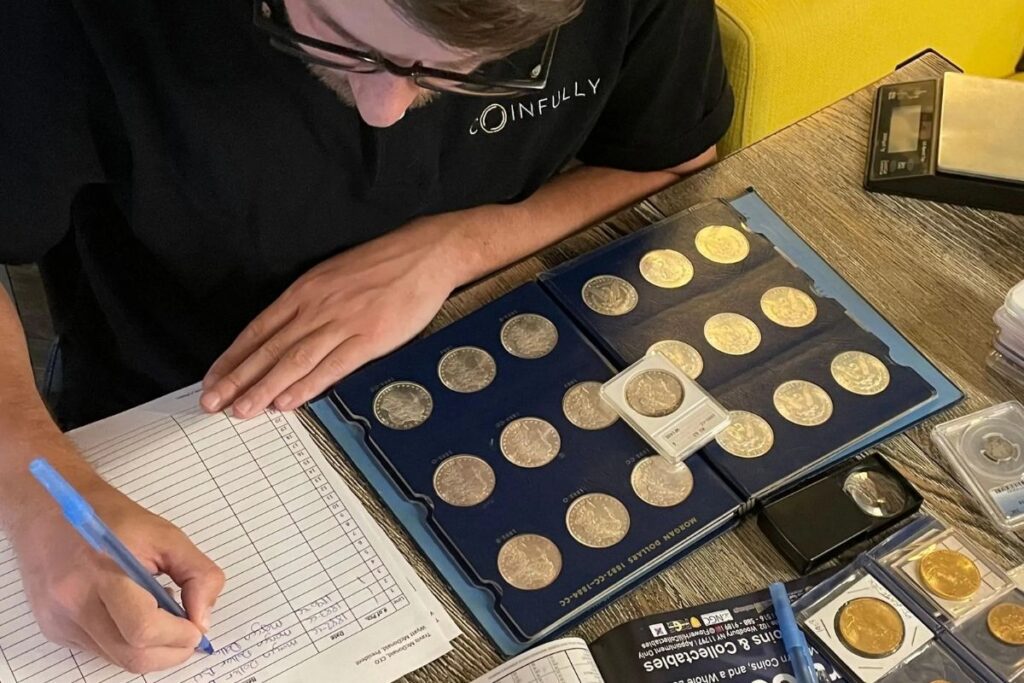
Coin appraisal cost varies significantly based on its purpose, the appraiser’s credentials, and the size and complexity of the collection.
The most important distinction to understand is the difference between an appraisal done in the context of a potential sale versus a formal documented appraisal for insurance, estate, or legal purposes.
When a dealer or buyer evaluates your coins as part of considering a purchase, they typically do so at no charge. Their compensation comes from the margin on the transaction itself, so there is no fee for the appraisal.
However, formal written appraisals for insurance coverage, estate settlement, tax purposes, or legal proceedings are a separate matter. These require the appraiser to produce signed documentation that can withstand scrutiny, and appraisers charge accordingly.
Typical pricing for formal appraisals breaks down as follows:
- Per coin: $10 to $25 per coin for individual formal appraisals, though this varies widely based on rarity and research required.
- Per hour: $50 to $200 per hour is a common range for certified numismatists; ANA-certified appraisers may charge at the higher end.
- Flat fee per collection: $75 to $250 for small collections appraised at a flat rate, depending on scope.
- Large or complex collections: $300 to several thousand dollars for full estate appraisals requiring multiple sessions and detailed documentation.
- Free appraisals: Available from reputable dealers and online services evaluating coins for potential purchase; these are informal but can still be highly informative.
One important word of advice: Never pay a percentage-based appraisal fee, meaning a fee calculated as a share of the appraised value. This creates a financial incentive for the appraiser to inflate valuations, which is both unethical and a violation of professional appraisal standards.
What Exactly Do Coin Appraisers Do?
A coin appraisal is focused on one core objective: determining what your coins are worth. To do that, a professional coin appraiser examines each coin’s condition, identifies its rarity, and evaluates current collector demand and market trends.
They cross-reference recent auction results, dealer price lists, and market data to arrive at a fair market value estimate. For formal written appraisals, they also produce signed documentation describing each coin and the basis for its valuation.
This is distinct from third-party coin grading services like PCGS or NGC, which certify a coin’s grade and authenticity but do not provide a dollar value tied to current market conditions.
Understanding the Value of a Professional Coin Appraisal
Reference guides and online databases can be useful starting points, but they can be confusing and are not substitutes for a professional appraisal.
Published price guides reflect retail values for coins in specific grades, and accurately placing your coin in the correct grade requires hands-on expertise that an untrained eye cannot replicate.
A documented appraisal also protects you during negotiations, giving you an independent baseline rather than relying solely on a buyer’s assessment. For insurance purposes, scheduled personal property coverage requires formal documentation to insure a collection at its full value.
For inherited collections, estate settlements and charitable donation deductions often have a legal requirement for a credible, signed appraisal.
How To Prepare Your Coins for Appraisal
A professional coin appraisal is an essential step, regardless of who you decide to sell your coins to. A little preparation before your appraisal can make the process smoother and help ensure a more accurate result.
- Gather any documentation you have, including original purchase receipts, prior grading certificates, or any provenance records.
- Organize your coins by type or denomination if possible.
- Most importantly, do not clean your coins. Cleaning is one of the most common and costly mistakes coin owners make, as it damages surfaces in ways that significantly reduce numismatic value.
- Leave coins exactly as they are, even if they look dull or dirty, and let the appraiser assess them in their natural state.
We explain each step in detail in our guide on how to get a coin appraisal.
Get a Free Coin Appraisal From Coinfully
At Coinfully, we offer two free appraisal options designed to make the process as convenient as possible.
Our free online coin appraisal lets you submit photos of your collection from home, and our team of certified numismatic experts will provide a thorough, no-pressure evaluation that is valid for legal, insurance, estate, and sale purposes.
For qualifying large or historically significant collections, we also offer a free at-home appraisal service where one of our experts travels directly to you, appraises your coins on-site, and can make an offer on the spot. This is a service completely unique to Coinfully.
With both appraisal options, there is never any obligation to sell. Our goal is to teach you about your collection so that you can make decisions based on knowledge of current data.
Ready to get started? Contact us today to begin your appraisal process or speak with an expert numismatist about your collection.
Frequently Asked Questions About Coin Appraisals
Where can I get coins appraised?
You can get coins appraised at a local coin dealer, a coin show, a major auction house, or through an online appraisal service. For the most reliable results, look for appraisers who hold credentials from the American Numismatic Association or the Professional Numismatists Guild, as these memberships indicate professional training and ethical standards.
How much does it cost to get a coin appraised?
Appraisals done in connection with a potential sale are typically free. Formal written appraisals for insurance, estate, or legal use generally run $50 to $200 per hour or $75 to $250 as a flat fee for smaller collections. Avoid any appraiser who charges a percentage of the appraised value, as this is an industry red flag.
Can you trust coin appraisers?
Reputable coin appraisers who hold professional credentials and are members of established numismatic organizations can be trusted. Look for ANA or PNG membership, check online reviews, and be cautious of anyone who rushes the process or makes an offer before completing a thorough examination. Getting a second opinion on high-value coins is always a reasonable step.
How do I get my coins appraised for free?
Free coin appraisals are available from reputable dealers evaluating collections for potential purchase, at coin shows where multiple dealers can give you quick assessments, and through online appraisal services. These informal appraisals are genuinely useful for understanding your collection’s value, though formal written documentation typically requires a paid appraisal for insurance or legal needs.
Wyatt McDonald President & Co-Founder of Coinfully. A student of numismatics and trained in the ANA Seminar in Denver, Wyatt is the face of Coinfully and a true expert. After spending a decade buying coins over the counter at a coin shop, he knew there had to be a better way, for everyone involved.
Get an Appraisal
Think you’re onto something big with your collection? Let’s talk…


 401 Hawthorne Ln, Ste 110-323 - Charlotte, NC 28204