

Getting a professional coin appraisal is one of the smartest steps you can take before selling, insuring, or dividing a coin collection, but showing up unprepared can slow the process, lead to an incomplete valuation, or even put your coins at risk of accidental damage.
Whether you inherited a collection, built one over decades, or recently found coins tucked away in a closet, a little preparation goes a long way toward getting an accurate and fair assessment.
This checklist covers everything you need to gather, how to organize, and what to bring to a coin appraisal appointment so the process runs smoothly and you walk away with the information you need.
If you’d rather skip the hassle of an in-person coin appraisal appointment, Coinfully’s free online coin appraisal allows you to receive a detailed evaluation of your collection from the comfort of your home.
There’s no need to travel with your collection or wait for an appointment date. Just send us photos or an inventory, and our numismatic experts will provide you with a professional appraisal based on real-world market conditions.
Table of Contents
Why Knowing What To Bring to a Coin Appraisal Is Important
A professional appraiser evaluates each coin based on condition, rarity, mintmark, denomination, series year, and current market demand.
When your collection is organized and easy to work through, the appraiser can spend more time on evaluation and less time sorting. That typically leads to a faster, more thorough, and more accurate appraisal.
Preparation also protects your coins. Loose, unsorted coins rattling around in a bag can scratch each other and reduce their numismatic value. Proper handling and storage before the appointment help preserve the condition that determines what your coins are worth.
The Complete Coin Appraisal Preparation Checklist
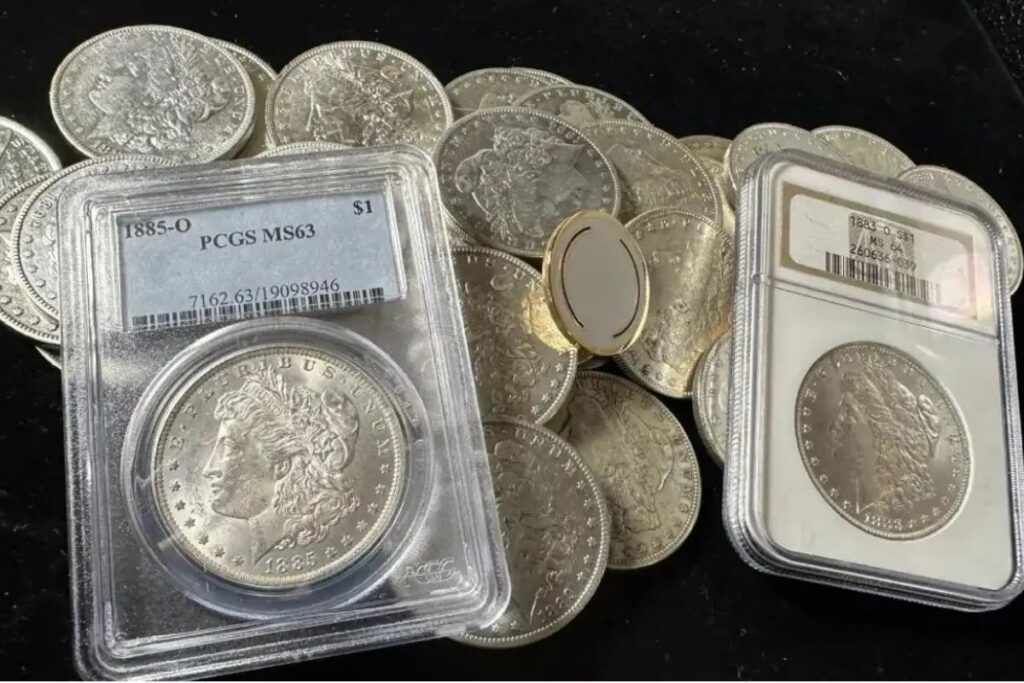
Use this checklist to make sure you have everything ready before your appointment.
1. Gather Your Entire Collection
Bring every coin you want appraised, even pieces you think might not be valuable. Appraisers sometimes spot overlooked gems that collectors miss, especially in inherited collections where the original owner may not have documented everything. Include:
- Coins in holders, capsules, or slabs (PCGS, NGC, or other certified coins)
- Coins in paper rolls or plastic tubes
- Loose coins stored in jars, bags, boxes, or envelopes
- Paper currency, tokens, or medals if you have them
- Gold and silver bullion coins or bars
Do not leave anything behind based on assumptions about value. A coin that looks ordinary could carry significant numismatic value or melt value depending on its date, mintmark, or metal content.
2. Sort and Organize (But Don’t Overdo It)
Basic organization helps the appraiser move through your collection efficiently. You do not need a detailed spreadsheet or professional-level sorting. Focus on simple groupings:
- Separate U.S. coins from foreign coins.
- Group by denomination (pennies, nickels, dimes, quarters, half dollars, and dollars).
- Within each denomination, group by type if possible (for example, separate Lincoln wheat pennies from Memorial pennies or Morgan dollars from Peace dollars).
- Keep certified/slabbed coins together in their own group.
- Separate paper currency from coins.
3. Leave Coins in Their Current Holders
This is critical. If your coins are in PCGS or NGC slabs, coin capsules, 2×2 cardboard flips, albums, or tubes, leave them there. Do not remove coins from protective holders to “make them easier to see.”
The holder itself is part of the coin’s preservation and, in the case of certified coins, part of its verified grade and authentication.
The same goes for paper rolls. Even if you are curious about what is inside, let the appraiser open them under controlled conditions.
4. Never Clean Your Coins
This is the single most important rule in coin collecting, and it applies before an appraisal more than ever.
Cleaning coins, whether with chemicals, polishing cloths, toothpaste, or even water, almost always destroys numismatic value. What looks like “shining them up” to you looks like surface damage to a trained eye.
Cleaning removes the natural patina (also called toning) that develops over time. Collectors and dealers actually prefer original, untouched surfaces. A cleaned coin can lose 50% or more of its market value compared to the same coin in its original state.
If a coin is dirty or tarnished, leave it alone. The appraiser will evaluate it as-is.
5. Handle Coins Properly
When you do need to handle coins directly, follow these practices:
- Hold coins by the edges only; never touch the flat faces.
- Use clean cotton gloves if you have them. Fingerprint oils can leave permanent marks on copper and silver surfaces.
- Work over a soft, padded surface (a towel or felt pad works well).
- Avoid talking directly over coins, as moisture droplets can cause spots.
These precautions matter most for uncertified raw coins that aren’t protected by holders.
6. Bring Any Existing Documentation
Supporting paperwork adds context and can speed up the appraisal and add to the appraised coin’s value. Gather any of the following if you have them:
- Previous appraisal reports or certificates.
- Purchase receipts or invoices.
- Insurance documentation or riders listing specific coins.
- Letters of provenance or ownership history.
- Notes from the original collector about specific coins.
- Photos of the collection or individual coins.
Documentation of provenance is especially valuable for rare or historically significant coins.
7. Bring a Way To Take Notes
The appraiser should provide a written valuation, but it helps to take your own notes during the process. Bring:
- A notebook or phone for notes.
- A camera or phone to photograph coins the appraiser highlights.
- Questions you want to ask about specific pieces.
Common questions to ask during the appraisal include:
- What is the fair market value of my collection?
- Are any coins worth getting professionally graded by PCGS or NGC?
- What is the best way to sell these coins?
- Are there coins I should hold onto because their value is likely to increase?
8. Know What Type of Appraisal You Need
Before your appointment, think about why you need a numismatic appraisal. Different purposes can affect how the appraiser approaches the evaluation:
- Selling: You want fair market value so you can compare offers from buyers.
- Insurance: You need a replacement value, which is typically higher than market value.
- Estate settlement: You need a date-of-death valuation for tax or probate purposes.
- Curiosity or collection management: A general assessment of what you have and its approximate worth.
Let the appraiser know your goal upfront. It helps them focus on the information that matters most to you.
9. Plan for Safe Transport
Your coins need to get to the appointment safely. Use sturdy containers that prevent coins from shifting, sliding, or bumping into each other, such as:
- Padded coin cases or storage boxes with individual compartments
- Tubes or rolls kept upright so coins do not slide
- Albums or folders placed flat to avoid bending
- A secure bag or box for the overall collection
Avoid loose coins in pockets, purses, or thin plastic bags where they can scratch against each other.
If you think you might want to sell coins online, an online coin appraisal makes sense and eliminates the need to transport your coins.
For large or high-value collections, consider whether an at-home appraisal (a service offered exclusively by Coinfully) might be a safer and more convenient option.
What To Expect During a Coin Appraisal
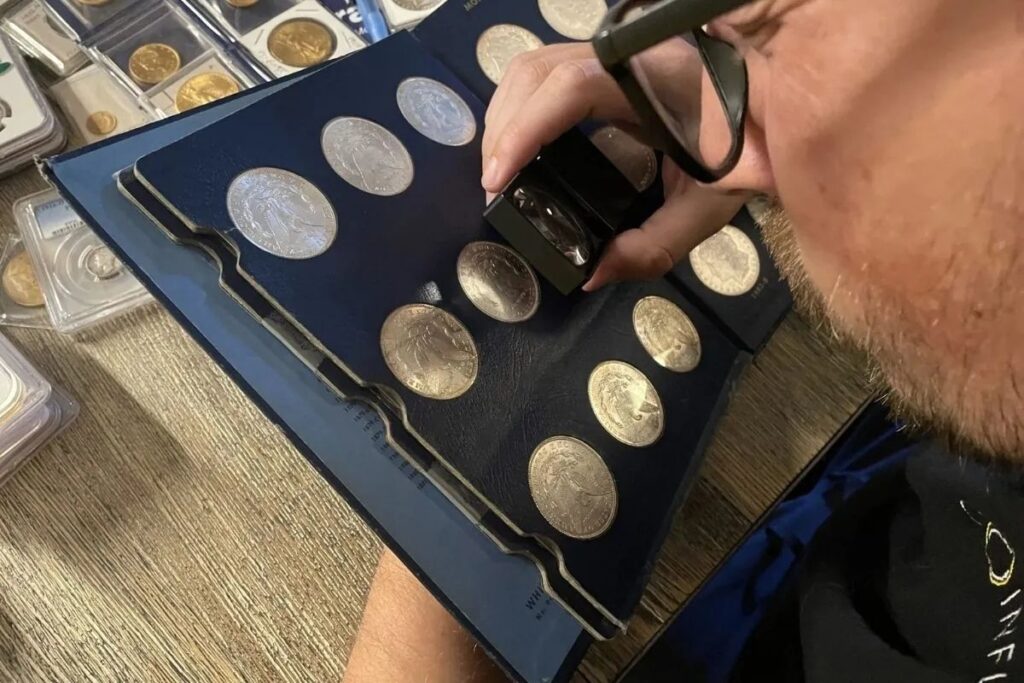
A professional coin appraisal typically involves the appraiser examining each coin individually, estimating its condition on the Sheldon grading scale (1 to 70), identifying key features such as mintmarks and varieties, and researching current market comparables.
For large collections, the process may take several hours or even multiple sessions. Our guide on how long a coin appraisal takes covers timelines to expect in detail.
The appraiser should provide a written valuation that includes a description of each coin or lot, its estimated grade, and its approximate fair market value. This document is useful whether you plan to sell, wish to insure, or simply want to understand what your collection is worth.
Do not expect official coin authentication and coin grading. These are entirely separate processes that are completed by third-party coin grading services such as PCGS and NGC.
Real High-Value Coins We’ve Appraised at Coinfully
Take a look at a few coins recently appraised by the team at Coinfully.
1921 Mercury Dime (Full Bands)
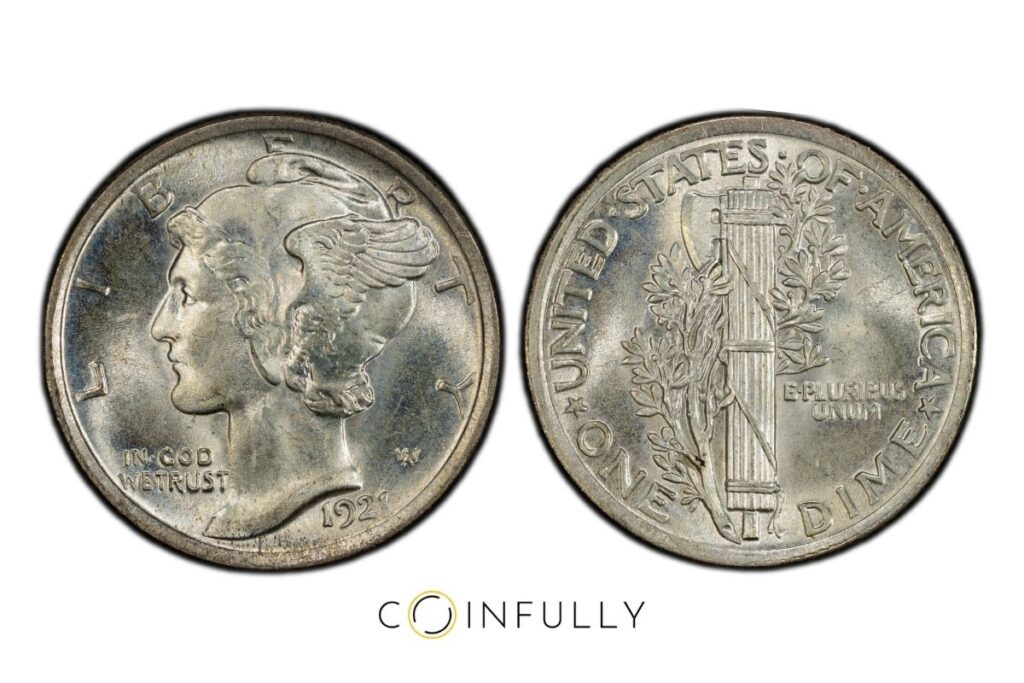
- Certification #: 59815939
- Coin Grade: MS63FB
- Appraised Value: $2,900
1995-W American Silver Eagle
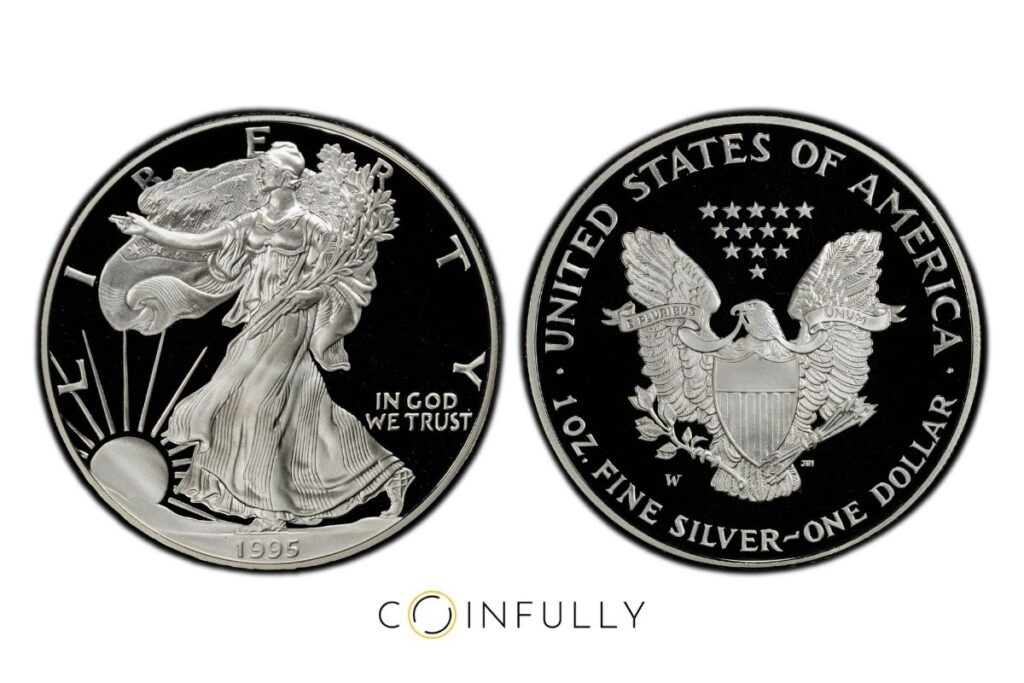
- Certification #: 56812951
- Mint: West Point (Proof)
- Appraised Value: $2,650
1795 Half Cent (Lettered Edge, Early American)
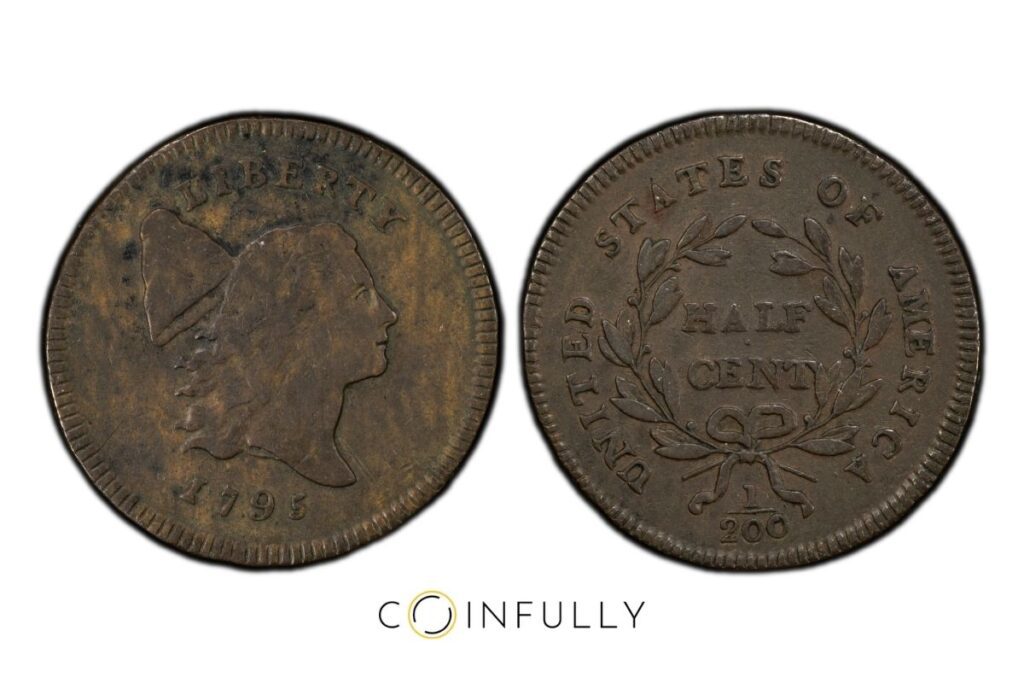
- Certification #: 59833931
- Coin Grade: VF35
- Appraised Value: $4,800
Get a Free Professional Coin Appraisal From Coinfully
Coinfully makes getting a coin collection appraisal simple. Our team evaluates collections of all sizes with transparent, no-pressure assessments and fair market offers.
Start with a free online coin appraisal by uploading photos of your collection. If you prefer an in-person free coin appraisal, Coinfully offers at-home appraisals for qualifying collections, where a specialist comes to you so your coins never have to leave your house.
Ready to find out what your coins are worth? Contact Coinfully today start your appraisal process or call (704) 621-4893 to speak with one of our experienced numismatic experts about your collection.

