Can Coins Trade for Less Than Their Melt Value? Understanding the Silver Market
Why a Fair, Market-Leading Offer on Your Silver Coins Can Still Land Below the "Melt Value" You Calculated Online

Jul 20th, 2026 · 5 Minute Read
Can coins trade below melt value? Yes, silver coins can and do trade for less than their melt value, and right now it’s happening more than usual.
If you punched your coins into the NGC melt calculator, got a number, and then received an offer below it, your first thought was probably that someone is trying to lowball you.
That’s a completely reasonable reaction. However, melt value is not a guaranteed payout; it’s a starting reference. We’ll explain exactly why real offers sometimes sit below that number and how to know when an offer is genuinely fair.
If you have a collection of silver coins, there could be some hidden treasures worth more than melt value alone. A free online coin appraisal from Coinfully can reveal the true market value of your coins, and the process couldn’t be easier.
Once you know what your coins are truly worth, you can then decide whether to hold on to them or to sell your coins. There’s no pressure, and whatever you decide, you still walk away with a free appraisal.
Table of Contents
The Melt Value Objection: “Your Offer Is Below What NGC Says”
We hear this one constantly, and it usually sounds something like this:
“The NGC website says melt value is $65.97, and your offer is below that. Why?”
It’s one of the most understandable questions in the whole business. You found a trusted source, ran the numbers, and now the offer doesn’t match. Before you assume the worst, it helps to understand what that $65.97 figure actually represents.
What “Coin Melt Value” Actually Means
Melt value is a simple calculation: the amount of pure silver in your coin (its actual silver weight) multiplied by the current spot price of silver. That’s all. It tells you what the raw metal inside the coin is theoretically worth if it were already sitting in a refinery as pure, deliverable bullion.
The key word is theoretical. A melt calculator assumes your coin has already been authenticated, sorted, refined into .999 fine silver, and delivered to the wholesale market at zero cost and zero risk. In the real world, none of that is free, instant, or guaranteed.
Why It’s a Benchmark, Not a Payout
Think of melt value the way you think of the “sticker price” or a car’s Blue Book number. It’s an incredibly useful reference point, and you should absolutely know it before you sell. It tells you the floor of your coin’s intrinsic worth and gives you a way to judge whether an offer is reasonable.
However, it’s not a promise of what any buyer will hand you in cash. Every professional buyer has to account for the real costs and risks between your coin and a finished bar of pure silver.
Those costs live in the gap between the melt figure and the offer, and understanding that gap is the whole game.
Why Silver Coins Can Trade “Back of Melt”
“Back of melt” is the industry term for an offer that comes in below a coin’s calculated melt value. It sounds alarming, but for certain coins and certain market conditions, it’s completely normal. Here’s what drives it.
Coin Melt Value Is Theoretical; Nobody Pays Full Spot for Scrap
You cannot walk into a refinery and collect the full spot price for a handful of coins. Spot is the price for large, standardized, investment-grade quantities changing hands in the wholesale market.
A small lot of mixed coins is a different product entirely. Even the biggest bullion buyers pay a percentage of melt, not the full number, because they in turn have to sell into that wholesale market and stay in business.
Across the industry, offers on scrap-grade silver commonly land somewhere in the range of 70% to 90% of melt, depending on the item, the quantity, and current conditions.
Refining Isn’t Free
When a coin is bought for its metal rather than its collectibility, it eventually heads to a refiner to become pure silver. That process carries real costs at every step:
- Assaying to confirm exactly how much silver is present.
- Shipping and insurance to move the metal safely to the refiner.
- Processing and refining fees charged by the refinery.
- Time and capital tied up while the metal is processed and sold, during which the price of silver can move against the buyer.
Every one of those costs comes out before anyone earns a dollar of profit. A responsible buyer has to price the costs into the offer, or they’d lose money on the transaction.
Damaged, Cleaned, and Worn Coins Head Straight to the Refiner
This is the big one, and it surprises a lot of sellers. A silver coin’s value depends heavily on its form and condition, not just its silver weight.
- A harshly cleaned coin has lost the original surface collectors pay a premium for. That premium does not come back.
- A holed, bent, scratched, or environmentally damaged coin can no longer be sold as a recognizable collectible or as trusted bullion.
- A heavily worn coin may literally contain less silver than the textbook weight because years of circulation rubbed metal away.
Coins like these can’t be resold as-is to a collector or a bullion buyer at a premium. This means they’re priced as refining material, and refining material trades back of melt.
If your coins are damaged, heavily circulated, or cleaned, this is very often the core reason an offer sits below the calculator’s number.
When Supply Overwhelms Demand, Prices Fall Below Melt
Even undamaged silver can trade below melt when the market itself is out of balance, and 2025–2026 has been a textbook example.
With silver climbing north of $60 an ounce, huge numbers of people rushed to sell old silver coins all at once. That flood of supply collided with a bottleneck: the refineries that turn “junk” and less-than-.999 silver into investment-grade bars became badly backlogged.
Many refiners slowed or paused their intake of 90% coinage to prioritize pure bullion, which is faster and cheaper to process.
When a dealer cannot quickly convert coins into cash, that is, when the refiner won’t take the shipment for weeks and the silver price could drop in the meantime, the dealer has to hold that inventory and absorb the risk.
The only way to buy responsibly in that environment is to buy below melt. It’s not a trick; it’s basic supply, demand, and liquidity. When far more people are selling than buying, prices adjust downward, and sometimes they slip beneath melt entirely.
Spot Price vs. What You Actually Receive
At the root of nearly every melt-value objection is one assumption worth examining directly: the belief that a seller should receive the full spot price. That can happen in some rare cases, but it’s definitely not the norm.
Spot Is a Wholesale Benchmark, Not a Retail Payout
The spot price is a wholesale reference for enormous, standardized quantities of pure metal traded on global exchanges. It’s not the price an individual receives for a coin, any more than the wholesale price of lumber is what you would get for selling a few used floorboards.
Spot is the North Star everyone navigates by, buyers and sellers alike, but the actual transaction price for physical coins always reflects the costs and margins of the real world.
Recognized Bullion vs. Scrap: Why Form Matters
Here’s the nuance that ties it all together: two coins with the same silver content can be worth very different amounts.
A pristine, instantly recognizable bullion coin, an American Silver Eagle, for example, is easy to authenticate and resell, so it can trade at or even, in some cases, above melt.
That same weight of silver in the form of worn, cleaned, or damaged coins that must be refined will trade below melt.
Nothing changed about the number of ounces. What changed is how easily and affordably that silver can be turned back into trusted, deliverable metal. That single distinction explains the majority of “why is your offer below melt?” questions we receive.
How Coinfully Can Help With Your Silver Coins
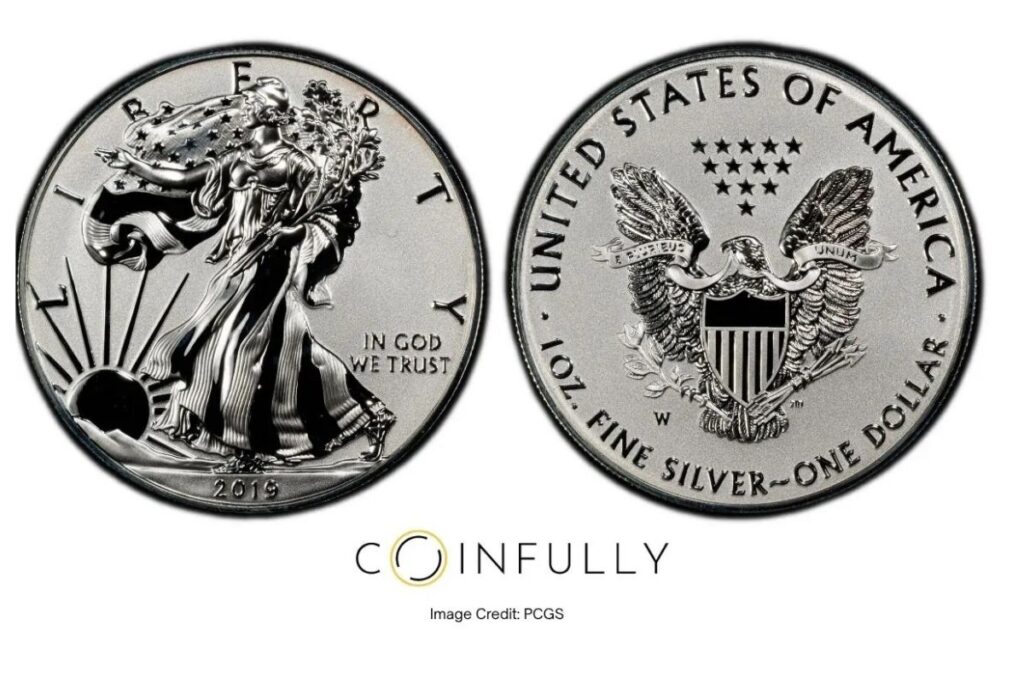
Once you understand the mechanics, the next question is simple: who will give you the most accurate, honest, and competitive offer? That’s exactly what Coinfully was built to do.
- Real numismatic experts do your appraisal. Every coin is authenticated and evaluated against current market demand and real completed sales, so you get a documented numismatic appraisal, with the reasoning explained. If a coin is worth more than melt, we catch it. If it isn’t, we tell you honestly.
- The entire process happens from home. Start with a free online appraisal, and let our global network of buyers compete for your coins so you get a price backed by real market demand, not just one dealer’s read on the day.
- We’ll come to you for qualifying collections. With our at-home appraisal service, we’ll travel to your location to appraise your coins in person and make an offer on the spot. This service is only available for particularly valuable collections.
- You’re protected at every step. Every mail-in package is fully insured and opened under 4K security cameras, and payment is issued the same business day your collection is received and verified.
- We’ve earned a strong reputation. Coinfully is an accredited member of the American Numismatic Association and an authorized, registered dealer with both PCGS and NGC, holding an A+ BBB rating.
That combination of low overhead, true expertise, a worldwide buyer network, transparent explanations, and airtight security is why sellers trust Coinfully to tell them what their silver is really worth.
Real Coins We’ve Appraised at Coinfully
Below are examples of high-value silver coins recently appraised by Coinfully. These real-world valuations demonstrate that a coin’s value can be tied to much more than metal content.
1879-CC Morgan Silver Dollar
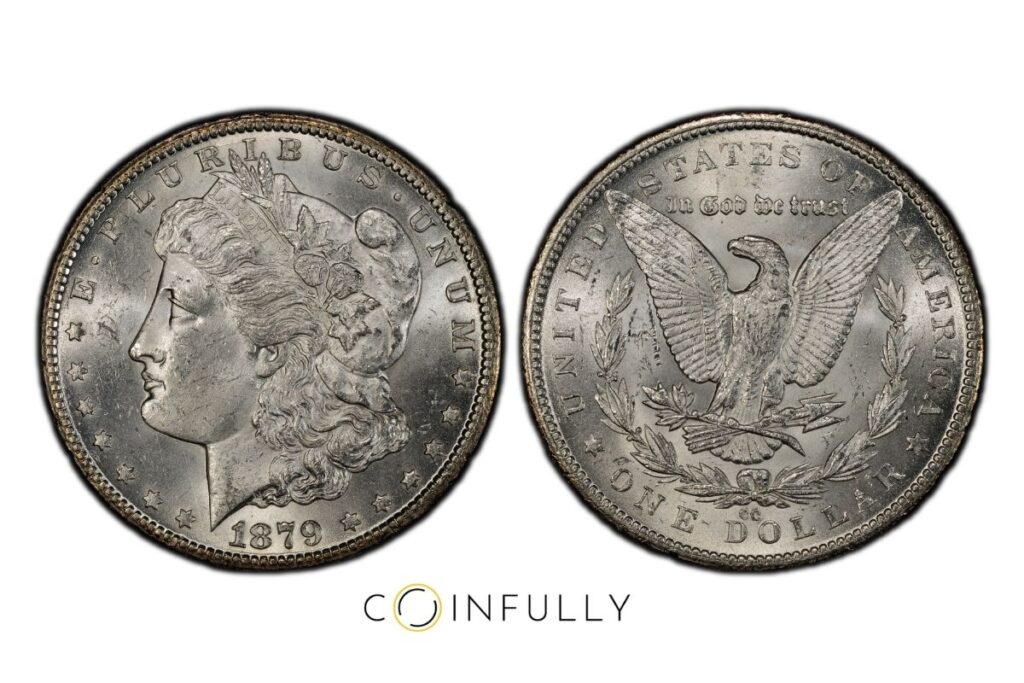
- Coin Grade: MS63
- Approximate Value: $7,800
1919 Walking Liberty Half Dollar
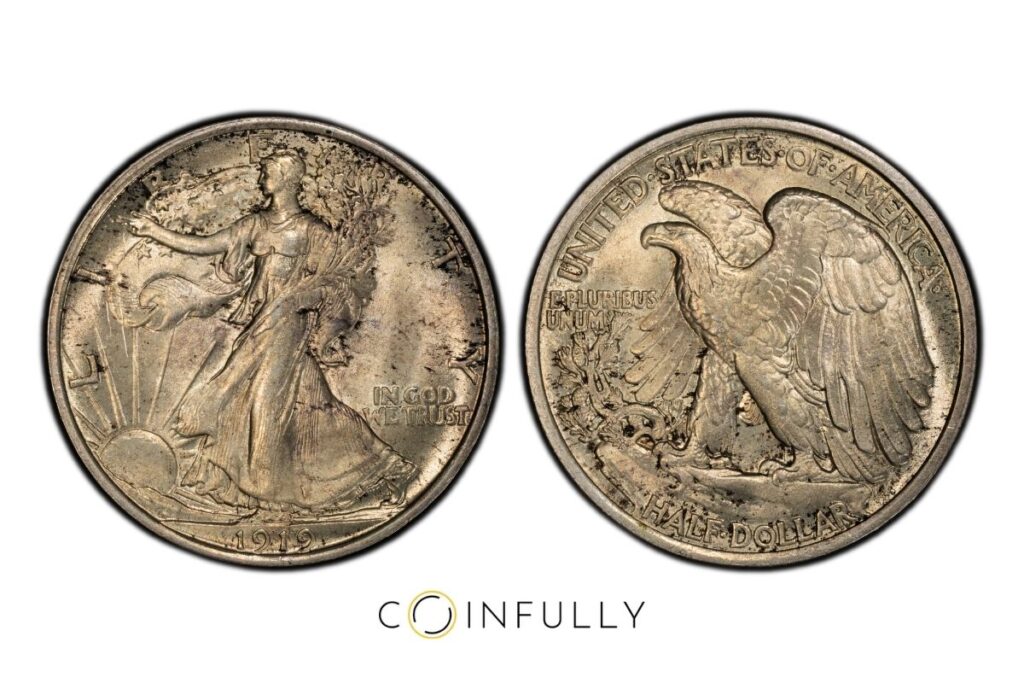
- Coin Grade: MS63
- Approximate Value: $2,600
Know Your Silver’s Real Value Before You Sell Your Coins
So, can coins trade for less than their melt value? Absolutely. You’ll get a lower offer when they’re damaged, cleaned, or worn, when they must be refined before they’re worth anything to the wholesale market, or when a flood of sellers and a refinery backlog push the whole market back of melt.
Melt value is the essential starting point, but the real world of assaying, refining, risk, supply, and demand always sits between that theoretical number and a cash offer.
The best way to cut through the confusion is to have your coins evaluated by experts who will show you the honest math.
Get a free, no-pressure online coin appraisal from Coinfully and find out exactly what your silver is worth in today’s market, or call our team at (704) 621-4893 to talk it through with a numismatist.
Frequently Asked Questions About Selling Silver Coins
Why is your offer below the melt value the NGC calculator gave me?
Because coin melt value is a theoretical figure based on silver weight times spot price, that assumes your coins are already refined, pure, and delivered to the wholesale market at no cost. Real offers subtract the assaying, refining, shipping, and risk it takes to actually get there, plus a small margin. If your coins are also damaged or cleaned, they trade as refining material, which widens that gap further.
Can undamaged silver coins really sell for less than melt?
Yes, in certain markets. When silver spikes and huge numbers of people sell at once, refineries back up and dealers can’t quickly convert coins to cash. To buy responsibly while holding inventory in a volatile market, dealers may pay below melt. This has happened repeatedly in the 2025–2026 silver market, especially for pre-1965 “junk” silver.
Why does a Silver Eagle sometimes get more than my old, worn coins with the same silver content?
Form and condition matter as much as weight. A pristine, recognizable bullion coin is easy to authenticate and resell, so it trades at or above melt. Worn, cleaned, or damaged coins have to be refined before they’re worth anything to the wholesale market, so they trade back of melt, even with identical silver content.
Shouldn’t I just get the full spot price for my silver?
Silver spot price is a wholesale benchmark for large, standardized quantities of pure metal traded on global exchanges, not a retail payout for individual coins. No seller of physical coins receives full spot because someone always has to cover the cost of turning those coins into deliverable bullion and still make a living. A fair offer is measured against melt, not spot.
How do I know if an offer on my silver is actually fair?
Have your coins evaluated by a numismatic expert who prices them against current demand and real completed sales and will explain the reasoning behind the number. Coinfully’s free online appraisal does exactly that. You’ll receive authentication, condition assessment, and an honest market value so you know precisely where you stand before you sell.
Wyatt McDonald President & Co-Founder of Coinfully. A student of numismatics and trained in the ANA Seminar in Denver, Wyatt is the face of Coinfully and a true expert. After spending a decade buying coins over the counter at a coin shop, he knew there had to be a better way, for everyone involved.
Get an Appraisal
Think you’re onto something big with your collection? Let’s talk…


 401 Hawthorne Ln, Ste 110-323 - Charlotte, NC 28204