Coin Collection Appraisal: How To Get Your Collection Valued
Discover Why a Coin Collection Appraisal Is a Step You Don't Want To Miss

May 29th, 2026 · 5 Minute Read
Whether you inherited a coin collection, built one over decades, or recently discovered a box of old coins in the attic, getting a professional coin collection appraisal is the first step toward understanding what you have and what it’s worth.
A proper appraisal gives you the knowledge you need to confidently decide whether to sell, insure, or hold your coins.
This guide covers the types of appraisals available, how to organize your collection before an appraisal, the factors that increase a collection’s value, and how Coinfully makes the process simple.
For a fast and detailed evaluation of your coins, get a free online coin collection appraisal from Coinfully. We’ve streamlined the appraisal process to eliminate the stress of traditional coin appraisals.
Your appraisal can be completed from home and provides you with a detailed written evaluation that can be used for selling, estate, and insurance purposes.
Contact Coinfully today to speak with one of experienced numismatic experts and start the process.
Table of Contents
What Is a Coin Collection Appraisal?
A coin collection appraisal is an expert evaluation of your coins to determine their fair market value. Appraisals consider factors such as rarity, coin condition and grade, precious metals content, and current market demand.
The result is a detailed estimate you can use for selling, insurance coverage, estate planning, or personal knowledge.
There are two primary types of value a coin appraisal can establish:
- Fair market valueis the price a willing buyer and willing seller would agree on in an open market. This is the figure most relevant when you are looking to sell a coin collection online or in person.
- Replacement value is typically higher than fair market value and reflects the cost to replace a coin through a retail purchase. Insurance companies use replacement value when writing policies for coin collections.
Understanding which type of value you need helps you choose the right appraisal approach and set realistic expectations for the process.
Real High-Value Coins We’ve Appraised at Coinfully
Not every coin collection contains high-value coins, but many do indeed contain coins worth hundreds or even thousands of dollars. Here’s a quick look at a few treasures we’ve unearthed in recent appraisals:
2020 American Gold Eagle (V75 West Point Privy)
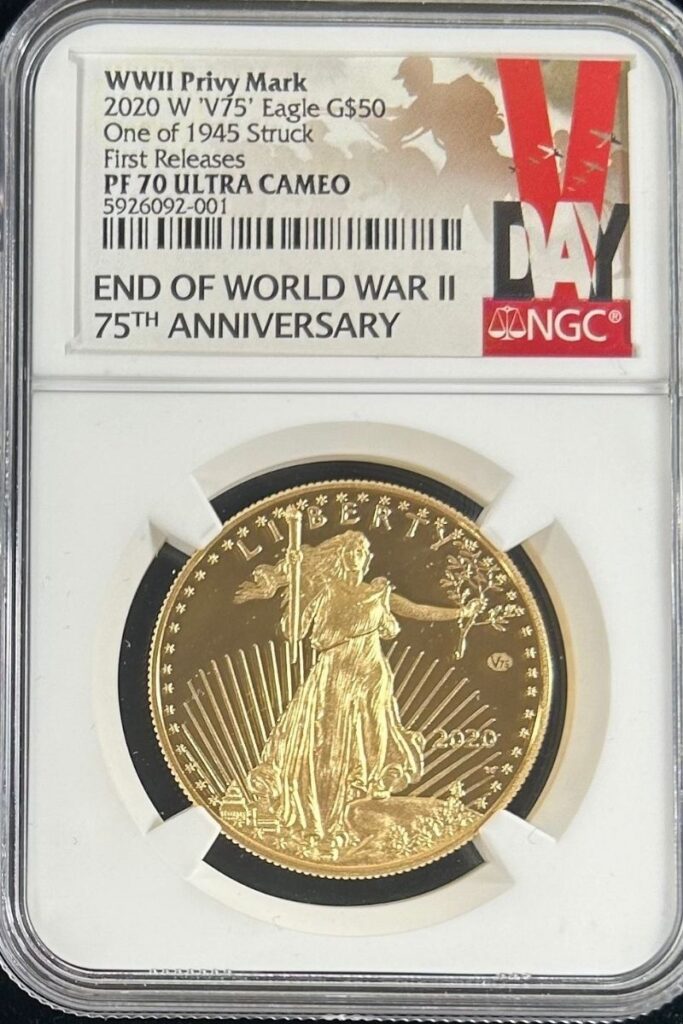
- Certification #: 5926092-001
- Coin Grade: PF70UCAM
- Appraised Value: $20,000
1895 Morgan Silver Dollar (Proof-Only Key Date)
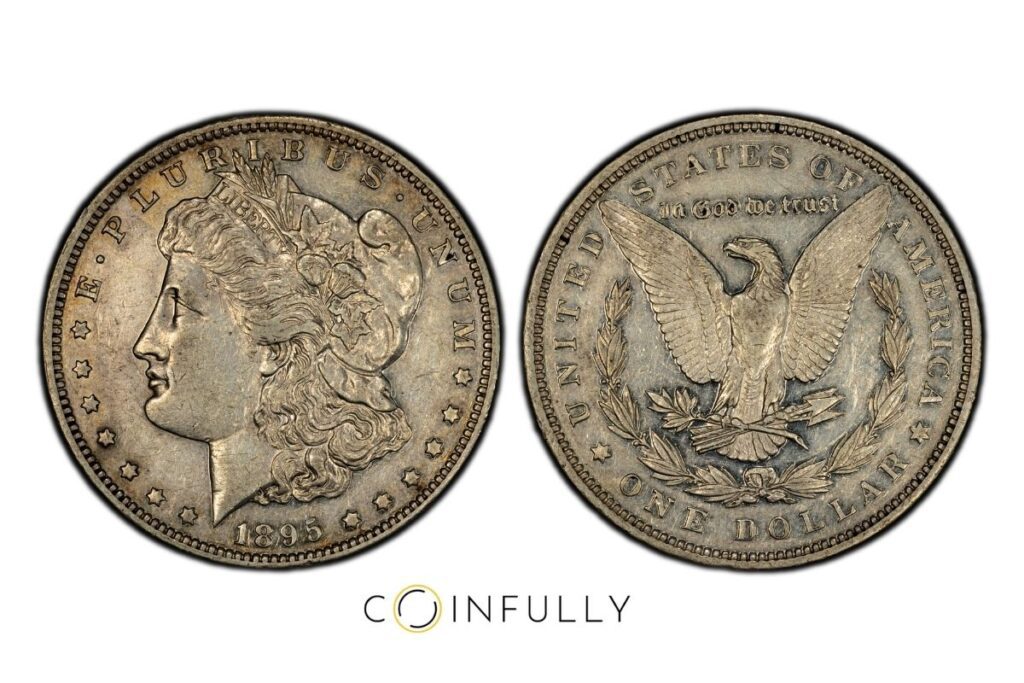
- Certification #: 61231159
- Coin Grade: PR50
- Appraised Value: $43,000
1878 Twenty-Cent Piece (Proof)
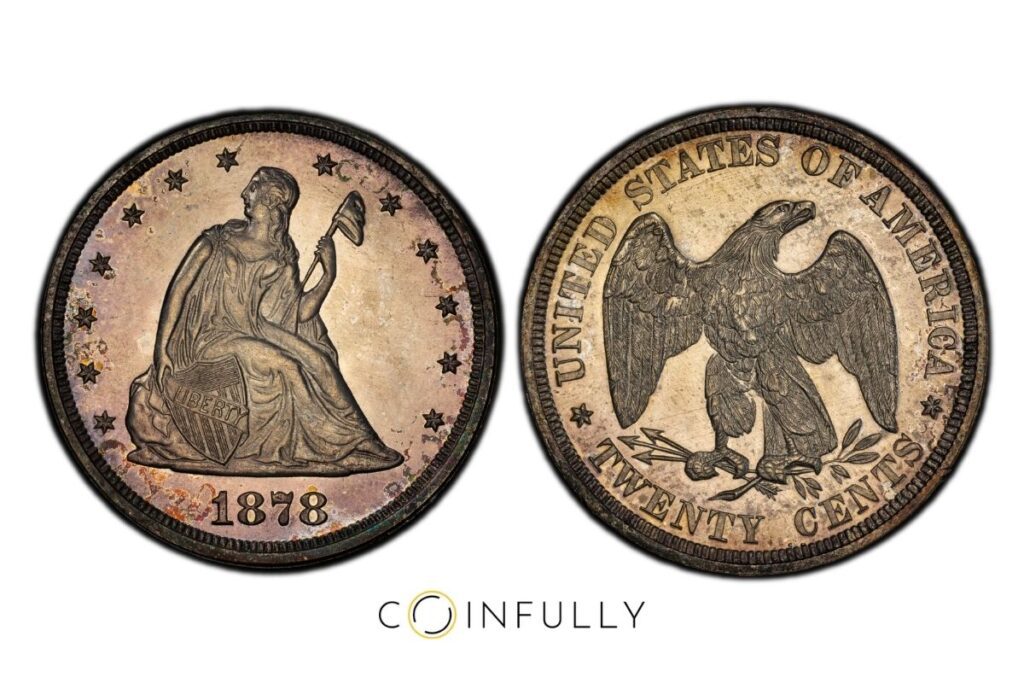
- Certification #: 59856771
- Coin Grade: PR64
- Appraised Value: $4,000
Bulk Appraisal vs. Individual Coin Appraisal
One of the first decisions to make is whether your collection calls for a bulk appraisal or individual coin valuation.
A bulk appraisal evaluates the collection as a whole. This approach works well for large collections that contain many common-date coins, circulated pieces, or bullion items.
The coin appraiser reviews the overall composition, identifies any standout pieces, and provides a total estimated value. Bulk appraisals are faster and more cost-effective when the majority of coins in the collection are not individually rare.
An individual coin appraisal examines each piece separately. Appraisers estimate the coin grade using the Sheldon scale, check for mintmarks, and evaluate strike quality, luster, surface preservation, and eye appeal.
Individual appraisals are essential for collections that contain rare coins, key dates, high-grade specimens, or coins that may benefit from third-party grading through services such as PCGS (Professional Coin Grading Service) or NGC (Numismatic Guaranty Corporation).
Many professional coin appraisals combine both methods. The appraiser does a bulk assessment first and then pulls out coins that warrant closer individual attention.
This balanced approach saves time and money while making sure the most valuable pieces receive the detailed evaluation they deserve.
How To Organize Your Coin Collection for Appraisal
Proper organization before your appraisal makes the process faster and helps the coin appraiser deliver more accurate results.
- Start by sorting coins into logical categories. Group them by type (pennies, nickels, dimes, quarters, half dollars, and dollars), then by series (Morgan dollars, Walking Liberty halves, Mercury dimes, etc.), and finally by date and mintmark if you can identify them.
- Keep coins in their current holders. If coins are already in albums, flips, tubes, or certified slabs, leave them as they are. Removing coins from protective holders can cause handling damage that reduces their value.
- Never clean your coins. Cleaning almost always decreases a coin’s numismatic value, even when the intention is to improve its appearance.
- Create a basic inventory if possible. A simple list noting the denomination, approximate date range, and quantity for each group gives the appraiser a helpful starting point. If you have coins you suspect might be particularly valuable, note those separately so the appraiser can prioritize them.
- Gather any documentation that came with the collection. Previous appraisals, purchase receipts, certificates of authenticity, and provenance records all provide useful context that can affect a coin’s value.
What Increases Coin Collection Value?
Several factors influence how much a coin collection is worth. Understanding these factors helps you recognize potential value in your own collection and have informed conversations with your appraiser.
Rarity
Rarity is one of the strongest drivers of numismatic value. Coins with low mintage numbers, surviving populations that have been reduced by melting or loss, and key-date issues consistently command premium prices.
A coin does not need to be old to be rare. Some modern coins with minting errors or limited releases can be worth significant amounts.
Coin Condition
Condition also majorly impacts value. The difference between a coin graded VF-30 and one graded MS-65 on the Sheldon scale can mean thousands of dollars. Coins with original luster, strong strike quality, and minimal contact marks are always in higher demand among collectors.
Precious Metal Content
Precious metals content provides a baseline value for gold and silver coins. Even common-date gold coins carry substantial melt value based on current spot prices. When numismatic value and metal value combine, the result can be a coin that appeals to both collectors and investors.
Historical Value
Historical significance adds a premium that goes beyond raw numbers. Coins tied to major events, famous collections, or notable provenance attract additional interest.
The American Numismatic Association and major auction houses regularly highlight historically significant pieces that achieve record prices.
Coin Sets
Complete sets are worth more than the sum of their individual coins. A complete set of Morgan dollars, Lincoln cents, or Buffalo nickels in consistent condition will typically sell for a premium over what each coin would bring individually.
Collectors value the effort and patience required to assemble a set and are usually willing to pay a premium for a high-value set.
Coin Grading
Third-party certification by PCGS or NGC adds confidence and liquidity. Certified coins in tamper-evident holders (often called slabs) are easier to buy, sell, and insure because the grade has been independently verified.
If your collection includes uncertified coins that may be high-grade or rare, professional coin grading before selling can increase their realized value.
Where To Get a Professional Coin Appraisal
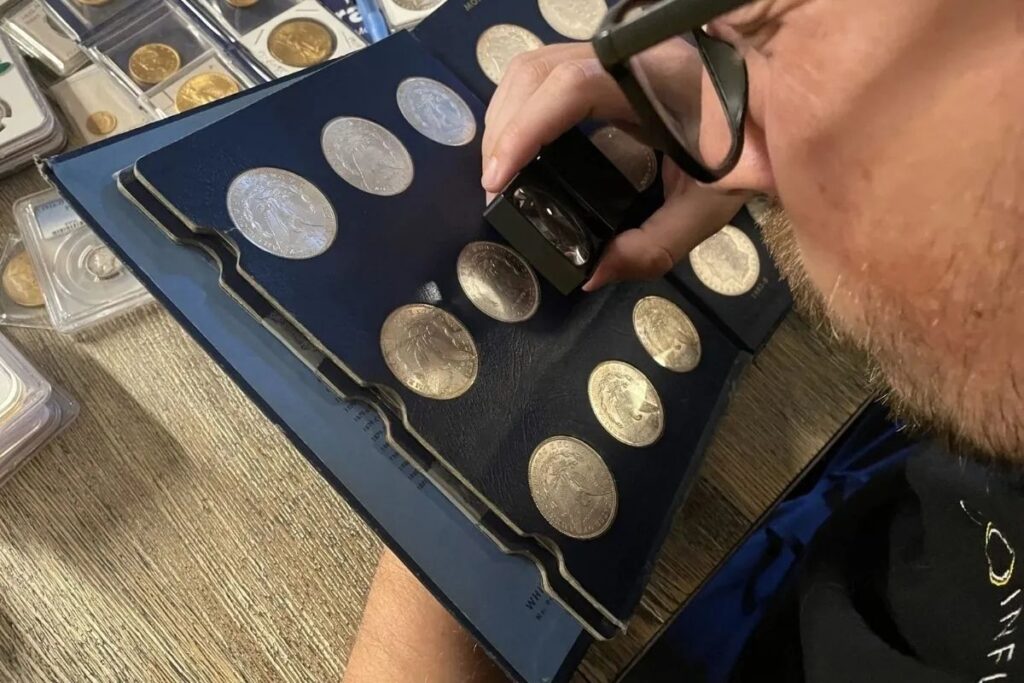
You have several options for getting a coin collection appraisal, and the right choice depends on the size and suspected value of your collection.
Local Coin Shops
Local coin dealers can provide quick, informal estimates. Many offer free coin valuation services for walk-in customers planning on selling.
However, dealer appraisals may vary in accuracy depending on the dealer’s area of expertise. If your collection contains specialized or high-value coins, seek a dealer with relevant experience or consider a more formal evaluation.
Coin Appraisal Online
Coin appraisal online services allow you to submit photos and descriptions of your collection for review by numismatic experts without leaving home. This option is convenient for large collections or for people who do not have a trusted local dealer nearby.
However, some services require you to mail in your collection for appraisal. Always check reviews from verified customers, and proceed with caution if something feels off.
Coin Grading Service
Third-party grading services such as PCGS and NGC provide the most authoritative assessments of coin authentication and individual coin grade.
Submitting coins for coin authentication and grading is recommended for pieces you believe may be worth $100 or more individually. The cost of coin grading is often recovered through higher selling prices for certified coins.
If you are curious about how long a coin appraisal takes, the timeline depends on the method and size of the collection. Quick dealer evaluations may take minutes, while formal appraisals or third-party grading submissions can take days to weeks.
Get a Free Coin Appraisal From Coinfully
Coinfully offers a straightforward, no-pressure way to get your coin collection appraised by experienced numismatic professionals.
Our free online coin appraisal process starts when you share photos or an inventory of your collection from the comfort of your own home.
Our numismatic experts review everything using current market data and decades of expertise to provide a detailed appraisal along with a fair purchase offer. There is zero obligation to sell.
For larger or especially valuable collections, Coinfully offers an at-home appraisal service where a numismatic expert visits you, evaluates the collection in person, and can issue payment on the spot if you choose to accept.
Whether you are looking to sell an inherited coin collection, are planning your estate, need an insurance valuation, or simply want to know where to sell rare coins, Coinfully’s team is ready to help.
Contact Coinfully today for a free appraisal or call 704-621-4893 to speak with a coin expert.
Wyatt McDonald President & Co-Founder of Coinfully. A student of numismatics and trained in the ANA Seminar in Denver, Wyatt is the face of Coinfully and a true expert. After spending a decade buying coins over the counter at a coin shop, he knew there had to be a better way, for everyone involved.
Get an Appraisal
Think you’re onto something big with your collection? Let’s talk…


 401 Hawthorne Ln, Ste 110-323 - Charlotte, NC 28204