

If you have a box of old coins tucked away in a drawer, inherited a collection from a relative, or found some vintage coins at an estate sale, you are probably wondering what they are worth.
The truth is that some old coins are worth far more than their face value, while others hold only sentimental or melt value. Getting a proper coin appraisal is the best way to find out.
This guide walks you through how old coins are valued, what factors affect their worth, and how to get a professional old coin appraisal you can trust.
If you think you have old coins worth money and are eager to learn what they’re worth, Coinfully offers a free online coin appraisal that provides an accurate, detailed evaluation of your coins that can be used for selling decisions, estate planning, probate, insurance purposes, and more.
Contact us today to get started, or call (704) 621-4893 to speak with a numismatic expert about your collection and the necessary steps to get an old coin appraisal.
Your old coins could be worth a lot more than you assume. Here’s the data from a recent old coin appraisal completed recently here at Coinfully:
- Coin: 1919 Standing Liberty Quarter
- Grade: MS64
- Value: $1,000
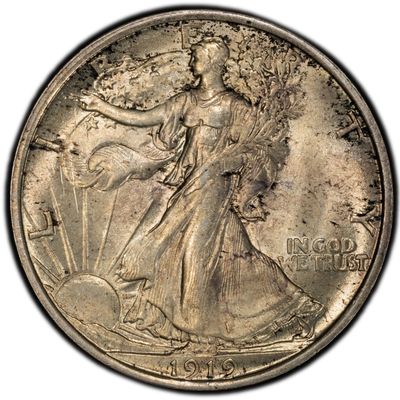
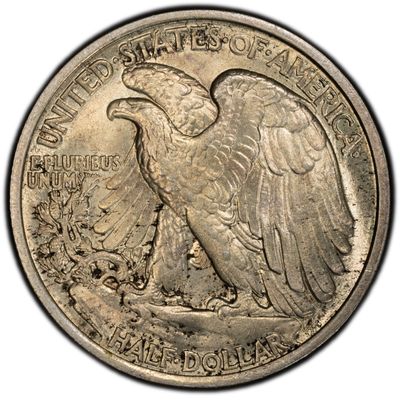
Table of Contents
What Determines Old Coin Value?
How much are old coins worth? It depends. Not every old coin is a hidden treasure, but many are worth more than you might expect. Several key factors determine an old coin’s value:
Rarity and Mintage Numbers
The fewer coins produced in a given year, the more collectors are willing to pay. Coins with low mintage numbers or those with specific mintmarks (such as Carson City “CC” or San Francisco “S”) often carry a premium.
Key dates within a series, such as the 1909-S VDB Lincoln wheat cent or the 1916-D Mercury dime, are especially sought after.
Condition and Coin Grading
Condition plays a major role in determining value. Professional grading services such as PCGS (Professional Coin Grading Service) and NGC (Numismatic Guaranty Company) use the Sheldon scale, which rates coins from 1 (barely identifiable) to 70 (perfect, uncirculated condition).
A coin in uncirculated or proof condition can be worth many times more than the same coin in heavily circulated condition. CAC (Certified Acceptance Corporation) verification can add further value by confirming a coin meets quality standards for its grade.
Precious Metal Content (Melt Value)
Many older U.S. coins contain silver or gold. Pre-1965 dimes, quarters, and half dollars are 90% silver, and their melt value alone can be significant.
Gold coins such as the Saint-Gaudens Double Eagle carry even higher base values. However, numismatic value, which is the premium collectors pay above melt value, often makes the biggest difference in what your coin is actually worth.
Historical Significance
Coins tied to important moments in American history tend to attract strong collector demand. The 1794 Flowing Hair silver dollar, which was the first dollar coin struck by the U.S. Mint, has sold for millions at auction.
Coins from the Civil War era, early colonial periods, or those with unusual backstories carry added appeal.
Mint Errors and Die Varieties
Coins struck with errors, such as doubled dies, off-center strikes, or wrong planchet errors, can be extremely valuable.
The 1943 bronze Lincoln penny, which was accidentally struck on a copper planchet instead of zinc-coated steel, is one of the most famous error coins in numismatic history.
Common Types of Valuable Old Coins
Those new to coin collecting are often unclear as to what coins are worth money, and proper coin identification isn’t always easy. Understanding the major coin types helps you identify what might be sitting in your collection:
- Morgan Silver Dollars (1878–1921): Among the most popular and widely collected U.S. coins. Certain dates and mintmarks, such as the 1893-S, command prices well into the thousands. Learn more about the most valuable Morgan silver dollars.
- Peace Dollars (1921–1935): The successor to the Morgan dollar, these silver dollars are highly collectible, especially in higher grades.
- Walking Liberty Half Dollars (1916–1947): Walking Liberty half dollars are widely considered one of the most beautiful U.S. coin designs, with strong collector demand.
- Mercury Dimes (1916–1945): Small but potentially valuable, particularly the 1916-D key date.
- Indian Head Pennies (1859–1909): Early dates and better conditions can bring significant premiums.
- Lincoln Wheat Cents (1909–1958): Common in lower grades, but key dates such as the 1909-S VDB and 1914-D are highly prized.
- Buffalo Nickels (1913–1938): Buffalo nickels are a classic American coin series with several valuable key dates.
- Barber Coins (1892–1916): Dimes, quarters, and half dollars from this series are popular with collectors.
- Seated Liberty Coins (1836–1891): Older series spanning multiple denominations with many scarce dates.
- Large Cents (1793–1857): Some of the earliest U.S. coins, with values ranging from modest to very high depending on date and condition.
How To Get an Old Coin Appraisal
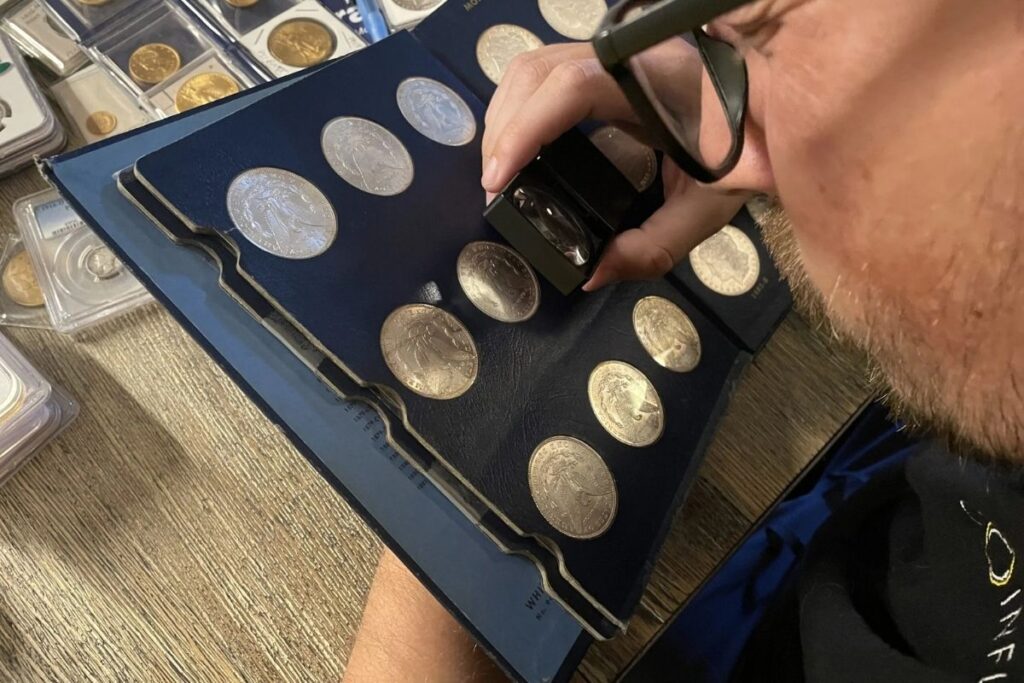
There are several ways to find out what your old coins are worth:
Local Coin Shops
Visiting a local coin shop allows for an in-person evaluation by a dealer who can assess condition, rarity, and market demand on the spot.
While convenient, offers may reflect wholesale pricing, so it’s wise to compare multiple appraisals and cross-check values using trusted resources.
Free Coin Appraisal Online
The easiest place to start is with a free online appraisal from Coinfully. You can submit photos and descriptions of your coins to get a detailed valuation from experienced numismatic professionals without any obligation to sell.
Professional Coin Grading Services
For coins that are particularly valuable, submitting them to PCGS or NGC for professional grading provides an objective assessment of condition and authenticity.
While there is a cost to get a coin graded, a certified coin typically sells for more than an ungraded one because buyers have confidence in the grade.
At-Home Appraisals
If you have a large collection, an inherited estate, or coins that are difficult to transport, an at-home coin appraisal from Coinfully brings the expert to you. This is especially helpful for estate coin appraisals where the collection may be extensive and varied.
Coin Price Guides and Reference Books
Resources such as the Red Book: A Guide Book of United States Coins and online old coin value checkers give you a starting point for understanding what your coins might be worth. Auction records from major auction houses also provide real-world pricing data.
Be careful here; there are so many factors at play when determining rare coin value that a professional coin appraisal is truly the only way to get an accurate assessment of value.
How To Prepare Your Collection for a Coin Appraisal
Before getting an appraisal, follow these tips to protect your coins and get the most accurate valuation:
- Do not clean your coins. Cleaning can damage the surface and dramatically reduce a coin’s value. Collectors and grading services prefer original, untouched surfaces.
- Sort by type and denomination. Organize your coins by type (pennies, nickels, dimes, quarters, half dollars, dollars, and gold coins) to make the appraisal process faster and more thorough.
- Keep coins in their current holders. If your coins are already in albums, flips, or certified slabs, leave them as they are.
- Note any provenance. If you know the history of the collection, where it came from, when it was assembled, or who collected it, share that information with your appraiser. Provenance can sometimes add value.
- Take photos. Clear, well-lit photos of both sides of each coin help if you are getting an online coin appraisal or remote appraisal.
Melt Value vs. Numismatic Value: Understanding the Difference
When valuing old coins, it helps to understand the difference between melt value and numismatic value.
Melt value is simply what the metal content of the coin is worth at current market prices. For example, a common-date silver quarter from the 1950s has a melt value based on its silver content.
Numismatic value goes beyond the metal. It accounts for rarity, demand, condition, and historical significance. A coin with strong numismatic value can be worth many times its melt value.
For instance, a common Morgan silver dollar might carry modest numismatic value over its silver melt price, while a key-date Morgan silver dollar in high grade could be worth tens of thousands of dollars.
Understanding both values helps you make informed decisions about whether to sell, hold, or pursue professional grading.
Ready To Find Out What Your Old Coins Are Worth?
Whether you have a single coin that caught your eye or an entire inherited coin collection, getting a professional appraisal is the smartest first step.
At Coinfully, our experienced numismatic professionals provide honest, no-pressure appraisals so you know exactly what your coins are worth.
Start with a free coin appraisal online, or for larger, particularly valuable collections, consider our at-home coin appraisal service.
When you are ready to sell, you can sell your coins online with confidence knowing you have received a fair, transparent offer.

